Trash to Cash: How to Start Flipping Thrift Store Finds for Profit

I still remember the thrill of stumbling upon a vintage gem at a quirky little thrift store in a small town I once visited – it’s moments like those that sparked my fascination with the art of Thrift Flip Business. There’s a common myth that making a profit from thrift flipping requires a keen eye for design or a background in business, but I’m here to tell you that it’s not about being a savvy entrepreneur, it’s about understanding the value of unique items and being willing to take a chance. My grandfather, a retired sailor, used to tell me stories of his travels, and I think that’s where my love for adventure and discovery began. As I traveled the world, I found myself collecting postcards and sketching the unique cultural elements of each place, and eventually, I started to see the potential in giving old items a new life.
As someone who’s turned their passion for thrift flipping into a career, I’m excited to share my no-nonsense knowledge with you. In this article, I’ll take you through the practical steps of starting a successful Thrift Flip Business, from finding hidden gems to pricing and selling your items. I’ll share my personal story of how I got started, the mistakes I made along the way, and the lessons I learned. By the end of this guide, you’ll have a clear understanding of how to turn your thrift store finds into a profitable venture, and maybe, just maybe, you’ll be inspired to start your own adventure in the world of thrift flipping.
Table of Contents
Guide Overview: What You'll Need
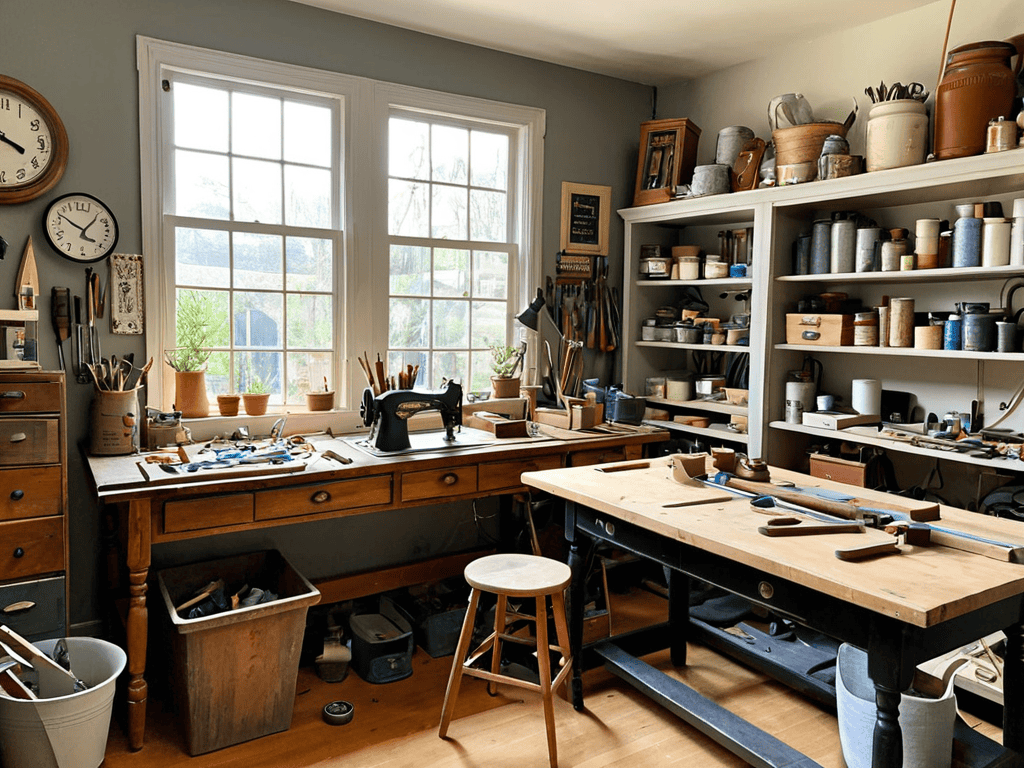
Total Time: 2 hours 30 minutes
Estimated Cost: $100 – $500
Difficulty Level: Intermediate
Tools Required
- Camera (for taking high-quality photos)
- Smartphone (for research and online listing)
- Measuring Tape (for measuring items)
- Calculator (for pricing and profit calculations)
Supplies & Materials
- Thrift Store Items (varies by type and quantity)
- Cleaning Supplies (for refurbishing items)
- Paint or Varnish (for refurbishing furniture)
- Packaging Materials (for shipping items)
Step-by-Step Instructions
- 1. First, let’s start with the foundation of any successful thrift flip business: researching the market. I spend hours scouring through online marketplaces, thrift stores, and antique shops to understand what’s in demand and what’s not. It’s essential to stay up-to-date with the latest trends and seasonal fluctuations to make informed purchasing decisions. I make a list of the most sought-after items, their average prices, and the platforms where they’re most likely to sell.
- 2. Next, I hit the streets to find the best thrift stores, estate sales, and flea markets in town. I look for hidden gems, unique items that can be resold for a profit, and I always keep an eye out for rare collectibles. Building relationships with the store owners and sellers is crucial, as they can give you a heads up on new arrivals and help you negotiate better prices. I also make sure to inspect each item carefully, checking for any damage or defects that could affect its resale value.
- 3. Once I’ve found an item I think I can resell for a profit, I conduct a thorough analysis of its condition, authenticity, and market demand. I use online resources, such as price guides and collector forums, to determine the item’s value and identify potential buyers. I also consider the costs associated with cleaning, restoring, or refurbishing the item, as well as any shipping or handling fees. This helps me determine a fair price for the item and ensures I can make a profit without overpricing it.
- 4. After purchasing an item, I give it some TLC to make it more attractive to potential buyers. This can involve cleaning, polishing, or restoring the item to its original condition. I also take high-quality photos of the item from multiple angles, showcasing its best features and any unique characteristics. I write a detailed description of the item, including its history, materials, and any flaws or defects, to build trust with potential buyers and increase the chances of a successful sale.
- 5. Now it’s time to create a listing that will showcase my item and attract buyers. I choose the right platform, whether it’s eBay, Etsy, or a specialized marketplace, and write a compelling title and description that highlight the item’s best features. I set a competitive price based on my research and analysis, and I make sure to include all the necessary details, such as shipping information and return policies. I also add relevant keywords to help buyers find my item when searching for similar products.
- 6. To reach a wider audience, I utilize social media platforms to promote my listings and engage with potential buyers. I share high-quality photos and videos of my items, and I participate in online communities related to thrift flipping and collecting. I also collaborate with other sellers and collectors to cross-promote each other’s items and build a network of like-minded individuals. This helps me stay up-to-date with the latest trends and best practices in the industry.
- 7. Finally, I keep track of my finances and monitor my sales performance to ensure my thrift flip business is profitable. I use a spreadsheet to record my expenses, including the cost of items, shipping, and marketing, as well as my revenue and profit margins. I analyze my sales data to identify trends and patterns, and I adjust my strategies accordingly. This helps me optimize my business and make data-driven decisions to drive growth and success.
Thrilling Thrift Flip Business
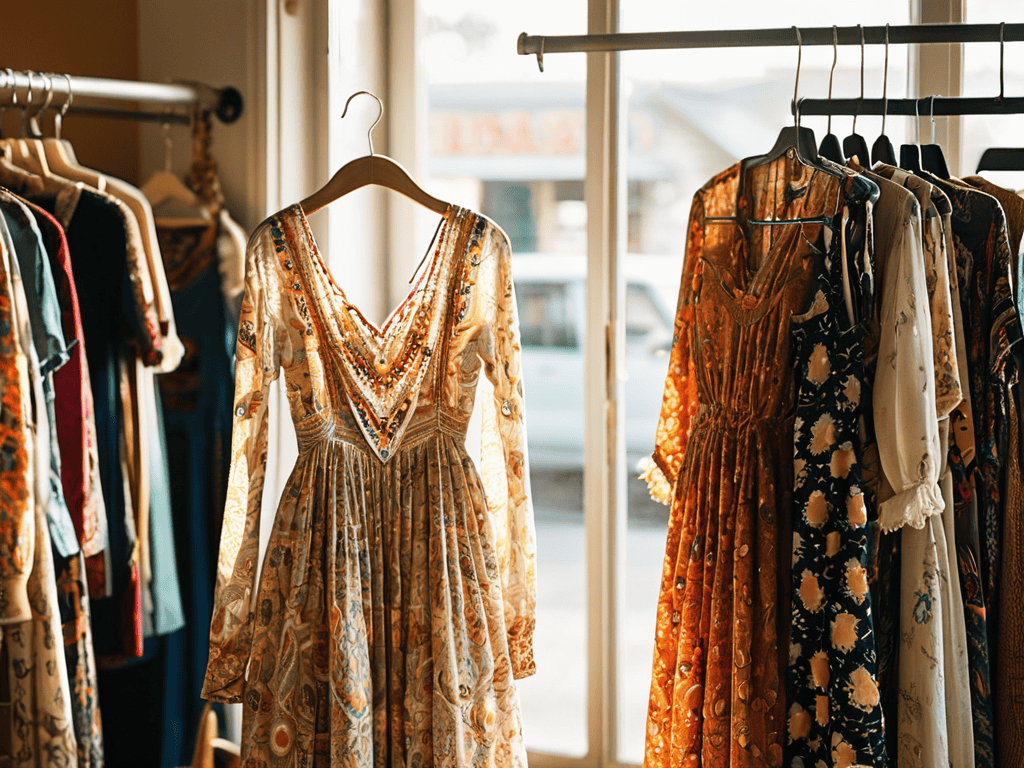
As I delve deeper into the world of thrifting, I’ve discovered that thrifting tips for beginners are essential to uncovering hidden gems. One of my favorite strategies is to keep an eye out for vintage patterns, which can add a unique touch to any outfit. I recall finding a beautiful, one-of-a-kind dress at a quirky little thrift store in a small town I once visited – it’s moments like those that sparked my fascination with the art of upcycling.
When it comes to upcycled clothing ideas, I believe that the key to success lies in mixing and matching different patterns and textures. By combining seemingly disparate elements, you can create truly one-of-a-kind pieces that reflect your personal style. I’ve had great success selling these unique items on platforms like Poshmark, where customers are eager to discover new and exciting fashion trends.
To take your thrifting game to the next level, consider exploring diy fashion alterations to breathe new life into old favorites. By making a few simple tweaks, you can transform a mundane piece into a showstopper. I’ve found that profitable thrift store items often have a unique story to tell, and by sharing that story with potential buyers, you can increase their value and appeal.
Selling on Poshmark Successfully Today
As I continue on my thrift flip journey, I’ve found that having the right resources at my fingertips can make all the difference between scoring a hidden gem and missing out on a potential treasure. One of my favorite ways to stay inspired and informed is by connecting with like-minded individuals who share my passion for thrift flipping and sustainable living. I’ve recently stumbled upon a wonderful community through a website that offers a wealth of information on local events, workshops, and meetups, which can be found by visiting sexkontakte – it’s been a great way to expand my network and learn from others who are also dedicated to reducing waste and promoting eco-friendly practices. By tapping into these local resources, I’ve been able to discover new thrift stores, attend workshops on upcycling and repurposing, and even collaborate with fellow thrifters on exciting new projects that showcase the creative potential of second-hand shopping.
As I delved into the world of thrift flipping, I discovered the thrill of selling on Poshmark. This platform has become a treasure trove for me, allowing me to share my vintage finds with a community that appreciates the unique and the rare. I’ve learned that high-quality photos and detailed descriptions are key to making a sale, and I take great care in showcasing each item’s story and history.
By sharing my passion for thrift flipping through Poshmark, I’ve been able to connect with like-minded individuals and build a loyal following. It’s exhilarating to see my treasures find new homes, and I take pride in knowing that I’m helping to reduce waste and promote sustainability. With each sale, I’m inspired to continue the hunt for hidden gems, and I’m excited to see where this journey takes me next.
Uncovering Thrifting Tips for Beginners
As I delve into the world of thrift flipping, I’ve uncovered a treasure trove of tips for beginners. One of my favorites is to always inspect items carefully before purchasing – a small stain or tear can drastically decrease an item’s resale value. I also make it a point to research current trends and prices beforehand, so I can spot hidden gems and negotiate prices with confidence. Whether it’s a vintage dress or a unique accessory, knowing the market demand and pricing can make all the difference in turning a profit.
I’ve also learned to trust my instincts and not be afraid to take risks on unusual or one-of-a-kind items. Some of my most successful flips have been on pieces that I thought were quirky or unconventional, but ultimately resonated with buyers looking for something truly unique. By combining thorough research with a dash of intuition, I’ve been able to build a thriving thrift flip business that’s as exciting as it is rewarding.
Treasures to Treasure: 5 Essential Tips for Thrift Flip Success
- Start with a keen eye for hidden gems: I’ve found that the most profitable thrift flips often begin with a deep understanding of current trends and a knack for spotting undervalued items
- Research, research, research: Before making a purchase, take the time to look up the item on your phone – you’d be surprised how many thrift store finds can sell for a pretty penny online
- Don’t be afraid to get creative with restoration: A little bit of TLC can go a long way in increasing the value of your thrift store finds, from refinishing old furniture to repurposing vintage clothing
- Build a strong online presence: Whether you’re selling on Poshmark, eBay, or another platform, make sure your listings are well-lit, well-described, and showcase the unique character of each item
- Stay organized and keep track of your finances: As your thrift flip business grows, it’s essential to keep a close eye on your expenses, profits, and tax deductions – trust me, your accountant (and your sanity) will thank you
Key Takeaways from My Thrift Flip Adventures
As I reflect on my journey, I’ve learned that the thrill of the hunt is just as important as the profit – it’s about uncovering hidden gems and giving them new life
Building a community, whether through social media or local thrift stores, is crucial for staying inspired and informed about the latest trends and treasures
Embracing the art of storytelling through each item, from its history to its potential, has been the most rewarding aspect of my thrift flip business, allowing me to connect with customers on a deeper level and make each sale a meaningful exchange
Embracing the Art of Thrift Flip
As I see it, the thrift flip business is not just about transforming old into new, but about weaving stories of the past into the fabric of our present, one carefully curated find at a time.
Louise Barrett
Embracing the Thrift Flip Adventure
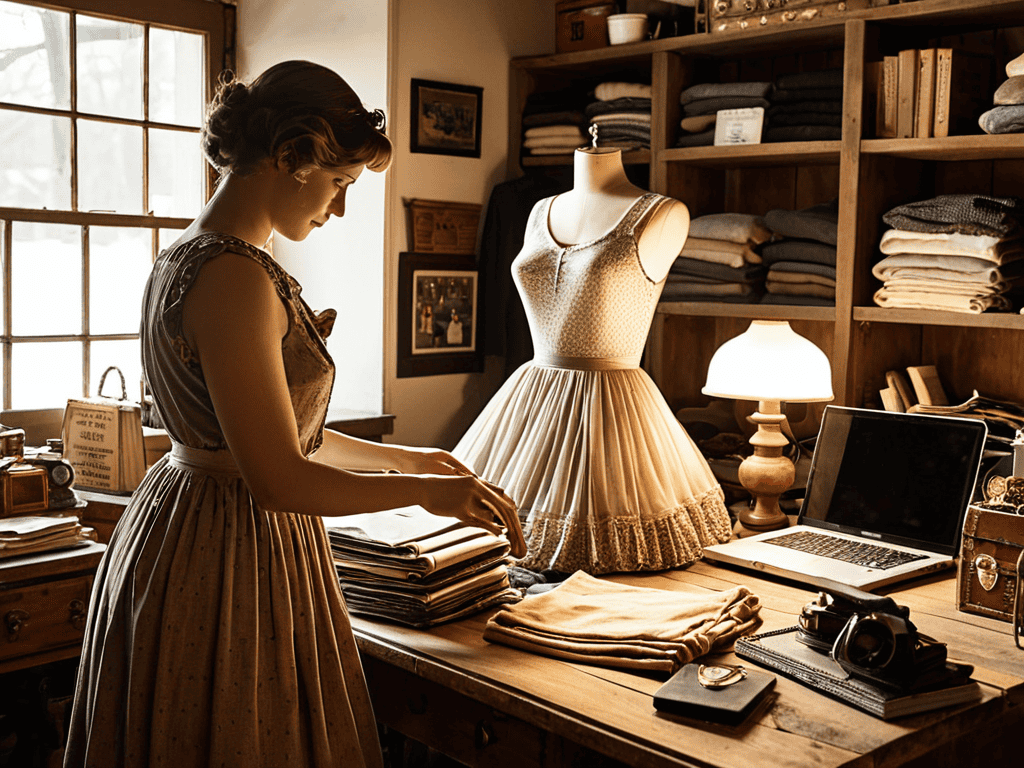
As I reflect on my journey through the world of thrift flip business, I’m reminded of the importance of patience and attention to detail. From scouring thrift stores for hidden gems to mastering the art of pricing and presentation, each step requires a deep understanding of the market and a willingness to learn. I’ve shared with you the key steps to get started, from uncovering thrifting tips for beginners to selling on platforms like Poshmark, and I hope that these insights have been as valuable to you as they have been to me. By embracing the thrill of the hunt and the satisfaction of giving old items new life, you can turn your passion into a lucrative venture.
As you embark on your own thrift flip journey, remember that it’s not just about the financial gains, but about the stories you uncover and the connections you make along the way. Whether you’re a seasoned collector or just starting out, the world of thrift flipping offers a unique opportunity to reimagine and reuse, to breathe new life into discarded treasures, and to forge a community around shared passions. So, go forth, get thrifting, and let the adventure begin!
Frequently Asked Questions
What are some common mistakes to avoid when starting a thrift flip business?
As I reflect on my own thrift flip journey, I’ve learned to beware of overpaying for items, underresearching market demand, and neglecting to factor in renovation costs – these pitfalls can quickly turn a treasure into a financial burden, so it’s essential to stay vigilant and adapt to the ever-changing thrift flip landscape.
How do I determine the resale value of a thrift store item?
I determine resale value by researching similar items online, checking price guides, and considering the item’s condition, rarity, and demand – it’s a bit like composing a song, you need to feel the rhythm of the market to hit the right note.
What are the most profitable categories of items to focus on in thrift flipping?
As I’ve wandered through thrift stores, I’ve found that vintage clothing, antique furniture, and unique vinyl records often yield the highest returns, but I’ve also had success with refurbished electronics and rare books – the key is to uncover hidden gems that resonate with collectors and enthusiasts.