Black Gold: How to Build a Diy Bio-charcoal Kiln for Your Garden
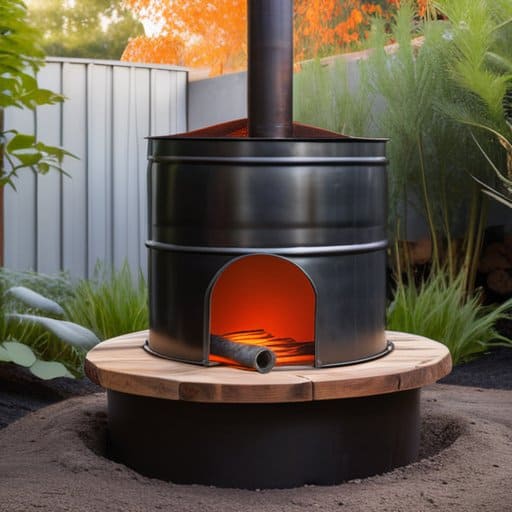
I was half a mile from the campfire, the wind humming through pine needles, when I realized my half‑finished metal drum could become more than a makeshift grill. The scent of fresh wood chips rose, and a sudden idea sparked: why not turn this scrap into a DIY bio‑charcoal kiln that could feed my garden and light up the evenings? I laughed at the notion—most people assume you need a factory‑grade furnace or a PhD in engineering. In truth, the secret is a simple, airtight barrel, a few heat‑resistant bricks, and a pinch of curiosity.
In the pages that follow, I’ll walk you through every step—from gathering scrap metal and selecting the right grate, to sealing the lid, controlling the burn, and harvesting charcoal that’s ready to enrich your soil. You’ll get practical safety tips, a quick‑calc for how much wood you’ll need, and a handful of troubleshooting tricks I’ve learned while camping under the Milky Way. No jargon, no pricey kits—just a straightforward, hands‑on plan that lets you build a reliable kiln in a weekend and start turning garden waste into black gold for your own backyard garden.
Table of Contents
- Step-by-Step Instructions
- Designing a Homemade Charcoal Kiln With Portable Plans
- Lowcost Pyrolysis Secrets Turning Wood Waste Into Soilboosting Biochar
- Charcoal Alchemy: 5 Savvy Tips for Your DIY Kiln
- Key Takeaways for Your DIY Bio‑Charcoal Kiln Adventure
- Kindling the Journey
- Wrapping It All Up
- Frequently Asked Questions
Guide Overview
Tools & Supplies
- 55‑gallon metal drum – serves as the kiln body
- Steel pipe and elbow fitting – provides air intake and exhaust
- Drill with metal bits – creates ventilation holes
- Angle grinder with metal‑cutting disc – optional for modifying the drum
- Dry hardwood chips or sawdust – 5–10 lb
- Fire‑resistant bricks or cinder blocks – 2–4 pieces
- Metal grate or mesh screen – to hold fuel inside
- High‑temperature fire‑resistant paint – optional, for sealing seams
Step-by-Step Instructions
- 1. Gather the humble heroes of my kiln: I start by scouting a sturdy 55‑gallon steel drum—its curved belly will become the heart of the kiln. I line the interior with a thin sheet of fire‑resistant insulation, then lay a grate of metal bars about two inches above the base. This simple “stage” lets the wood chips dance on a hot, oxygen‑starved floor, turning into charcoal while the ash drifts harmlessly away.
- 2. Create a breezy mouth for the fire: I cut a 6‑inch circular opening near the top of the drum, then fit a removable metal lid with a snug hinge. This “window” lets me coax just enough air into the chamber, keeping the flame whisper‑soft. A small vent pipe, angled downward, serves as the kiln’s sigh, letting the smoky breath escape without blowing the fire out.
- 3. Load the wood, one story at a time: I chop dry branches into bite‑size chunks, arranging them in a loose, criss‑cross pile on the grate. Each piece has a story—some from a pine forest in Oregon, others from a birch grove in Finland. I feed the pile with a modest, steady flame, letting the wood heat up slowly; the goal is a gentle “glow” rather than a roaring blaze.
- 4. Seal the kiln and let the alchemy begin: With the lid in place, I wrap the drum’s seam with high‑temperature furnace tape, ensuring no rogue air sneaks in. I then light a small “starter fire” in the center of the wood stack, watching as the heat climbs. The kiln’s interior temperature should settle between 400–500 °C (750–930 °F), a sweet spot where the wood’s volatile gases vaporize but the solid carbon remains.
- 5. Patience, dear traveler, is the secret ingredient: I let the kiln “cook” for 3–5 hours, checking occasionally through the vent to ensure a faint, steady hiss of smoke. If the smoke thickens, I adjust the vent slightly—just enough to keep a thin, blue‑gray plume drifting away. When the wood has turned black, brittle, and smells faintly of sweet ash, I know the transformation is complete.
- 6. Cool the charcoal without breaking its spirit: I keep the lid sealed and let the kiln cool naturally for at least 12 hours, letting the embers fade into a quiet ember. Once the interior feels room‑temperature, I open the drum, gently shake out the charcoal nuggets, and store them in a dry, airtight container. Now I have a batch of pure, carbon‑rich fuel ready for campfires, BBQs, or a humble garden‑soil amendment.
Designing a Homemade Charcoal Kiln With Portable Plans
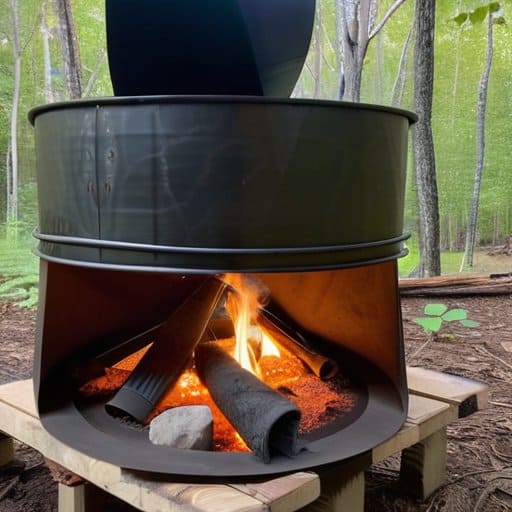
When I first sketched my homemade charcoal kiln design, I let the shape of an old fishing net basket guide the silhouette: a shallow, tapered drum that slides easily onto a backpack‑ready frame. By nesting a steel pipe inside a repurposed metal trash can, I created a tight “chimney” that can be disassembled in seconds—perfect for a weekend campsite or a garden‑yard workshop. The secret to portability lies in a set of interlocking brackets that double as a carrying handle; they let you fold the kiln flat, stash it in a duffel, and pop it back together wherever you find a pile of scrap wood. I’ve found that using scrap steel brackets from a local junkyard keeps the project truly low‑cost, while still giving you a sturdy vessel for sustainable wood waste conversion.
Once the kiln is assembled, the real art begins with pyrolysis temperature control for biochar. I like to attach a simple thermometer probe to the pipe’s side and set a target window of 350‑450 °C—that sweet spot where volatile gases are driven off but the carbon lattice stays intact. A small, adjustable air‑flow vent (think a zip‑tied venturi) lets you fine‑tune the oxygen feed, turning a rough furnace into a precise, low‑cost biochar oven. After each run, I sprinkle the fresh char into my raised beds, and the soil amendment with biochar benefits become instantly visible: richer crumb, better water retention, and a subtle, earthy scent that reminds me of the forest I just turned into fertile ground.
Lowcost Pyrolysis Secrets Turning Wood Waste Into Soilboosting Biochar
When I was tinkering with my first makeshift kiln on a rainy Scottish weekend, I discovered a surprisingly welcoming online hub where fellow DIY enthusiasts share portable plans and fire‑safety tips—so I could tweak my design without worrying about a sudden downpour. If you’re looking for a friendly place to swap ideas, troubleshoot a stubborn draft, or simply browse photos of other backyard pyrolizers, the community site at glasgow sex has a modest “Kiln‑Corner” thread that’s become my go‑to reference; it’s a gentle reminder that even the most rugged charcoal projects can benefit from a little local wisdom.
One of the quirkiest tricks I discovered while fiddling with my portable charcoal kiln plans was to treat the chamber like a kitchen oven. By stacking thin shavings of scrap pine and sprinkling a handful of dry leaves, the feedstock ignites gently and the heat climbs to a sweet spot—around 350 °C—without needing a thermostat. The secret lies in pyrolysis temperature control for biochar: a thermometer clipped to the lid lets you watch the dial dance, and a quick vent adjustment keeps the temperature from spiking. This humble homemade charcoal kiln design turns garden waste into a clean, carbon‑rich fuel with no extra cost.
Once the black nuggets have cooled, the magic begins: sprinkling them into your raised beds as a soil amendment with biochar benefits that whisper nutrients back into the earth. Because the carbon skeleton is porous, water lingers longer and microbes throw a celebration, turning every drop into plant‑available nitrogen. I’ve found that mixing a handful of charcoal into a bucket of compost—using the same low-cost biochar production methods I employ on the road—creates a nutrient‑dense amendment that boosts seedlings without a bag of synthetic fertilizer.
Charcoal Alchemy: 5 Savvy Tips for Your DIY Kiln
- Choose a metal drum with a tight‑fitting lid—steel holds heat better than plastic, and the lid keeps sparks from escaping.
- Line the interior with a thin sheet of fire‑resistant insulation (like a repurposed furnace brick) to boost temperature stability and protect the drum.
- Add a simple vent pipe (a 2‑inch PVC elbow works wonders) to control airflow; a small adjustable flap lets you fine‑tune the burn without constant monitoring.
- Pre‑dry your wood chips or sawdust to under 15 % moisture; dry feedstock pyrolyzes faster, yields cleaner bio‑char, and reduces smoke clouds that can attract unwanted attention.
- Keep a bucket of water and a fire‑extinguisher nearby—quickly douse any stray ember, and you’ll stay safe while the kiln works its quiet magic.
Key Takeaways for Your DIY Bio‑Charcoal Kiln Adventure
Simplicity wins—use readily available metal drums, a few heat‑resistant bolts, and a snug lid to create a safe, portable kiln.
Master the “slow‑burn” rhythm: keep the fire low, oxygen‑restricted, and the wood steady for 3–5 hours to coax charcoal, not ash.
Turn the leftover charcoal into nutrient‑rich biochar by grinding, activating with a quick tea‑brew of wood‑ash, and spreading it into garden beds for thriving soil.
Kindling the Journey
“Crafting a DIY bio‑charcoal kiln is more than building a fire‑proof drum—it’s a portable altar where wood, wind, and imagination converge, turning humble scraps into fertile black gold that carries the scent of distant forests into every garden we tend.”
Louise Barrett
Wrapping It All Up
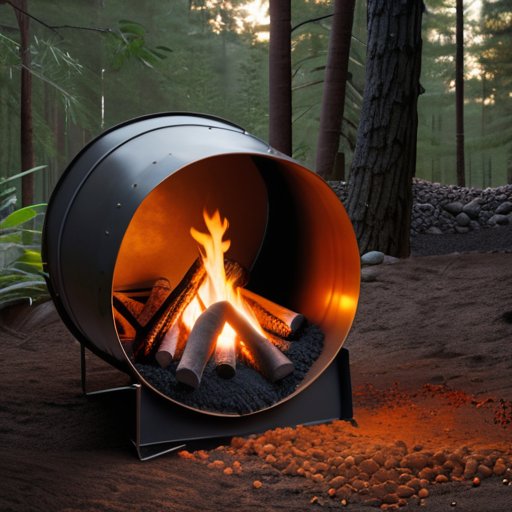
By now you’ve built a blueprint for turning scrap wood into a miracle for the garden. We covered gathering a few sturdy steel drums, cutting a snug vent, adding a basic grate, and sealing the chamber so the heat stays where it belongs. You learned to time the pyrolysis cycle, watch the orange glow, and let the ash settle into a fine, carbon‑rich powder that soil‑boosts any planting bed. Remember, the secret to a reliable portable kiln is keeping the design light enough to hitch a bike rack yet sturdy for a weekend campfire. With these steps, you can harvest bio‑char wherever you camp, turning waste into a lasting gift for the earth.
So, what will you do with that fresh black gold? I imagine each batch as a tiny seed of possibility, a reminder that a campsite can become a lab of renewal. When night falls and the charcoal cools, I pull out my notebook, sketch the soot‑streaked silhouette of the kiln, and hum a verse about fire and soil—my anthem to the give‑and‑take cycle. Let this be your invitation to carry a kiln on the road, to let curiosity lead you to a forest clearing, a rooftop garden, or a desert oasis. May the next adventure be lit not by sunrise alone, but by glow of a charcoal ember you forged with hands.
Frequently Asked Questions
What safety precautions should I take when building and operating a DIY bio‑charcoal kiln, especially regarding fire hazards and proper ventilation?
First, I choose a spot—like a concrete patio or metal‑grated deck—away from trees, fences, or gasoline‑scented gear. I set up a heat‑resistant barrier (metal sheet or sandbag wall) and keep a bucket of sand and a fire extinguisher within arm’s reach. Ventilation is key: place the kiln where wind can whisk away smoke, never in a garage, and stay at two feet from any walls. Wear gloves, goggles, a mask, and never leave the fire unattended.
Which locally‑sourced materials work best for constructing a low‑cost, portable kiln without compromising durability or efficiency?
I’ve found that a sturdy steel drum, a repurposed steel pipe (or two), and a sheet of corrugated metal make the heart of a portable kiln. Pair those with a simple hinged lid from an old paint can and a few heat‑resistant fire‑bricks salvaged from a local furnace. A gasket of high‑temperature silicone tape seals the door, while a vent made from a scrap copper pipe keeps the airflow steady and efficient.
How can I optimize the pyrolysis process to maximize charcoal yield while ensuring the biochar produced is safe and beneficial for soil amendment?
First, I keep the kiln’s temperature steady at about 450 °C—hot enough to drive off volatiles but low enough to preserve carbon. I feed dry, well‑sized wood chips and ramp the heat slowly, letting the pyrolysis linger for 2–3 hours. When the smoke clears, I seal the chamber to cool in an oxygen‑free zone, then crush the char, rinse it with rainwater, and check the pH; a neutral‑to‑slightly‑alkaline range (6.5‑7.5) means it’s safe for soil.