Architecting the Mind: Cognitive Offloading

I remember sitting in a dusty, sun-drenched cafe in Chefchaouen, trying to map out a film sequence while my brain felt like it was vibrating with too much static. I had three notebooks open, a half-finished sketch of a cobalt-blue doorway, and a growing sense of mental paralysis. We’re often told that true intelligence means holding every single detail in our heads at once, but that’s a lie that leads straight to burnout. In reality, the most effective way to navigate a complex world is through Cognitive-Offloading Architecture—the intentional way we use our surroundings, tools, and systems to hold our heavy thoughts so our minds don’t have to.
I’m not here to give you a lecture on sterile, academic frameworks or sell you on some expensive, high-tech productivity cult. Instead, I want to share how you can build your own personal ecosystem of support that actually works in the messy, beautiful reality of daily life. We are going to explore how to offload the mental clutter so you can stop merely surviving your to-do lists and start truly experiencing the world around you.
Table of Contents
- Embracing the Extended Mind Hypothesis in Our Daily Travels
- Digital Scaffolding for Memory Building Bridges to New Horizons
- Packing Light with Your Mind: Five Ways to Outsource the Heavy Lifting
- Carrying the Light: Lessons for the Mindful Traveler
- ## The Art of Letting Go
- The Art of Letting Go to Truly See
- Frequently Asked Questions
Embracing the Extended Mind Hypothesis in Our Daily Travels
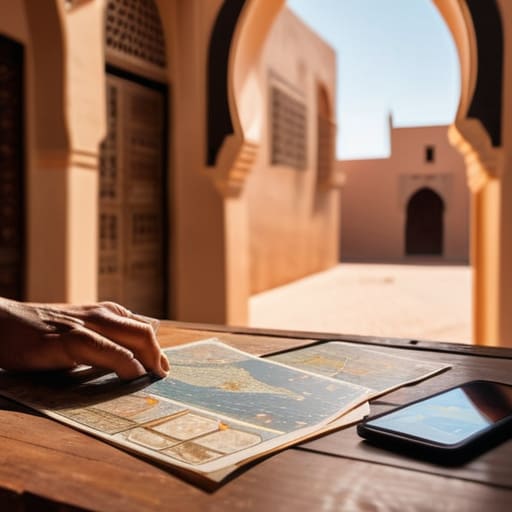
When I’m navigating the labyrinthine alleys of Marrakech or trying to decipher a hand-painted sign in a remote mountain village, I don’t just rely on my own internal compass. I lean into the extended mind hypothesis, treating my smartphone, my tattered paper maps, and even my collection of sketched postcards as literal extensions of my own consciousness. It isn’t about being “lost” without a GPS; it’s about recognizing that my ability to perceive and interact with a new culture is amplified by these external tools.
By utilizing these forms of digital scaffolding for memory, I can offload the heavy lifting of rote memorization—like street names or train schedules—to my devices. This isn’t a shortcut; it’s a way to free up my mental bandwidth for what truly matters: the smell of roasting spices, the rhythm of a local dialect, or the way the light hits an ancient archway. When we stop worrying about the logistics, we create space for the soul of the journey to finally take center stage.
Digital Scaffolding for Memory Building Bridges to New Horizons
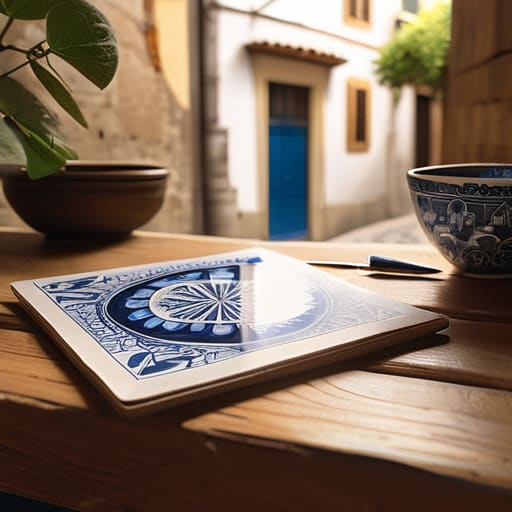
As I sit here in a sun-drenched café in Lisbon, sketching the intricate patterns of the azulejos on my latest postcard, I’m reminded that our mental maps are only as good as the tools we use to navigate them. Sometimes, when the sensory overload of a new city becomes too much to process, I find that leaning into curated digital spaces helps me regain my equilibrium. For instance, if you ever find yourself needing a momentary escape or a way to explore different facets of human expression and connection during those quiet, solitary hours in a foreign hostel, exploring something like kostenloseerotik can be a way to let your mind drift and find a different kind of spark. It’s all about finding those small, personal anchors that allow us to recharge our curiosity before we dive back into the beautiful, chaotic dance of the world around us.
I remember sitting in a sun-drenched café in Kyoto, my notebook filled with sketches of cherry blossoms, feeling a sudden, frantic urge to remember the exact shade of pink against the stone lantern. In that moment, I realized my phone wasn’t just a gadget; it was a vital piece of digital scaffolding for memory. By capturing a quick photo or a voice memo of the ambient temple bells, I wasn’t being “lazy”—I was practicing a form of neurocognitive resource management. I was offloading the heavy lifting of perfect recall to my device, freeing my actual brain to simply sit, breathe, and exist in the presence of the beauty before me.
When we lean into these distributed cognition frameworks, we aren’t losing our humanity to silicon; we are actually expanding our capacity to be present. Think of your digital tools as a secondary, invisible backpack that holds the maps, the dates, and the heavy logistics. When that weight is lifted, your mind is finally light enough to wander through the nuances of a new culture, catching the subtle shift in a stranger’s smile or the way the light hits a cobblestone street at dusk.
Packing Light with Your Mind: Five Ways to Outsource the Heavy Lifting
- Curate a Digital Sketchbook for Your Senses. Instead of trying to memorize every fleeting shade of a Tuscan sunset or the specific rhythm of a street performer’s drum, lean on your camera or a voice memo app. Think of it as a sensory backup drive; by offloading the “recording” to your device, you free your brain to actually feel the warmth of the sun on your skin rather than worrying about forgetting the exact color of the sky.
- Trust Your Maps to Wander. I used to white-knuckle my way through cobblestone alleys, terrified of losing my bearings. Now, I let GPS be my quiet companion. By delegating the spatial heavy lifting to my phone, I’ve found I can actually look up and notice the intricate carvings on a cathedral door instead of staring at the pavement in a panic.
- Build a “Memory Anchor” System. Use small, physical tokens—like a specific postcard or a unique stone—to trigger deeper recollections. When you offload the “data” of a trip to a physical object, your mind doesn’t have to work so hard to store the facts; it just needs to hold the emotion, letting the object act as a key to unlock the entire experience when you look at it later.
- Outsource the Logistics, Reclaim the Wonder. Don’t waste your precious mental energy trying to calculate train schedules or currency conversions in your head while you’re standing in a bustling market. Use translation apps and digital wallets as your cognitive scaffolding. When the “math” and “language” are handled by your tools, your mind is liberated to engage in the beautiful, messy, and wonderful human connections that travel is all about.
- Practice Intentional Unplugging to Reset the Architecture. Cognitive offloading works best when it’s a choice, not a crutch. Periodically, put the phone away and let your mind wander without a safety net. This prevents “mental atrophy” and ensures that when you do use your digital tools, you’re doing so to enhance your journey, not to replace the soul of it.
Carrying the Light: Lessons for the Mindful Traveler
View your digital tools not as distractions from the world, but as a gentle scaffolding that allows you to hold onto the fleeting magic of a moment without letting it slip through your fingers.
Embrace the idea that your “mind” isn’t just what’s inside your head; it’s the notebook in your bag, the map in your hand, and the songs you record, all working together to expand your capacity for wonder.
Use technology to offload the heavy lifting of logistics and rote details, freeing your spirit to truly inhabit the space, connect with the locals, and find the profound stories hidden in the everyday.
## The Art of Letting Go
“I’ve learned that true presence isn’t about holding every single detail of a sunset in your head; it’s about using our tools to hold the map, so our hearts are free to hold the moment.”
Louise Barrett
The Art of Letting Go to Truly See

As we’ve wandered through these ideas, it becomes clear that cognitive offloading isn’t about becoming more tethered to our screens, but rather about learning how to unburden our souls from the trivialities. By utilizing digital scaffolding and embracing the extended mind, we aren’t losing our edge; we are simply building a sturdier bridge between our internal wonder and the vast, complex world outside. When we delegate the heavy lifting of rote memorization and logistical minutiae to our technological companions, we create the mental breathing room necessary to actually process the texture of a cobblestone street or the specific, haunting melody of a distant flute. We use these tools to hold the map, so that we can finally focus on the horizon.
So, my dear fellow travelers, I challenge you to look at your devices not as distractions, but as the quiet assistants that allow your spirit to roam free. Don’t fear the technology that holds your memories; instead, use it to clear a path for the moments that truly matter—the ones that leave you breathless and changed. Let the digital world carry the weight of the “how” and the “where,” so your heart is entirely free to experience the magic of the now. After all, the goal of every journey isn’t to remember every single turn we took, but to ensure we were truly present for the beauty we discovered along the way.
Frequently Asked Questions
If we start leaning too heavily on our digital tools to remember the little things, do we run the risk of losing that raw, unmediated connection to the places we visit?
It’s a delicate dance, isn’t it? I often worry about it myself. If I’m too busy framing the perfect shot or logging coordinates, I might miss the way the salt air stings my cheeks or the specific, rhythmic hum of a distant market. We have to be careful that our devices remain our compasses, not our replacements. Use the tech to hold the map, but keep your heart wide open to the unscripted magic.
How can we find the sweet spot between using technology to enhance our experiences and letting it become a barrier that keeps us from truly being present in the moment?
It’s a delicate dance, isn’t it? I like to think of it as choosing between a compass and a cage. Use your phone to capture the golden hue of a Tuscan sunset or to find that hidden alleyway in Kyoto, but then—and this is the vital part—tuck it away. Let the technology serve as the scaffolding for your memories, not the lens that replaces your eyes. Stay present enough to feel the wind, not just film it.
Is there a way to use cognitive offloading to actually deepen our cultural empathy, rather than just using it as a way to navigate efficiently from point A to point B?
Oh, I love that question! It’s the difference between using a map to find a landmark and using it to find a soul. Instead of just offloading directions, try offloading the heavy lifting of language or logistics—like using a translation app to navigate a market—to free up your mental bandwidth for something deeper. When you aren’t stressing over the “how,” your heart finally has the room to listen to the “why” behind a stranger’s smile.