Reclaiming Your Sanctuary: How to Deal With a Damp Corner in a Bedroom and Restore the Magic to Your Space

I remember waking up in a tiny, stone-walled cottage in the Scottish Highlands, the kind of place that looks like a dream on a postcard but feels like a sponge in reality. The air was heavy, smelling of ancient peat and something much more unwelcome: a sharp, biting scent of mildew creeping up from the floorboards. I stared at that dark, weeping patch in the corner, feeling a profound sense of defeat as the chill seeped into my bones. It’s a lonely feeling when your sanctuary starts to feel like it’s decaying, and I know that figuring out how to deal with a damp corner in a bedroom can feel less like a home improvement task and more like a battle against the elements.
I’m not here to sell you on expensive, high-tech gadgets that promise the moon but only leave you with a lighter wallet. Instead, I want to share the practical, salt-of-the-earth wisdom I’ve gathered from living in spaces where the weather doesn’t just knock on your door—it moves in. We are going to look at the real, honest ways to reclaim your space, from simple airflow shifts to understanding the science of your walls, so you can finally breathe easy again.
Listening to the Walls Identifying Signs of Rising Damp in Walls
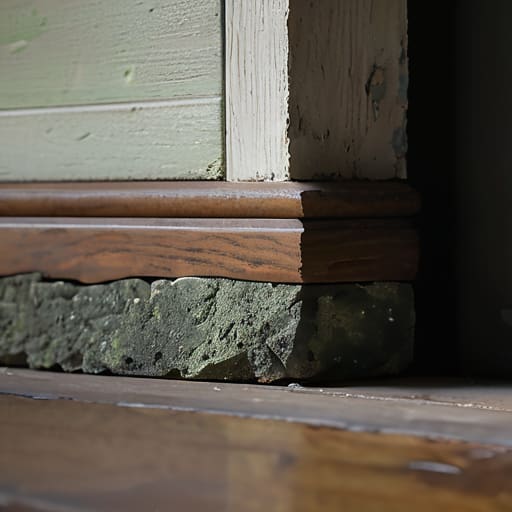
There is a certain intimacy in learning to listen to the spaces we inhabit. When I stay in old, stone-walled villas in the Mediterranean or weathered cottages in the English countryside, I’ve learned that walls have a way of whispering their secrets if you pay attention. You might notice a subtle, earthy scent—not quite rot, but a heavy, muskiness that lingers in the air. This is often one of the first signs of rising damp in walls, where moisture begins its slow, relentless ascent from the ground up, far below your floorboards.
It isn’t always a sudden flood; often, it’s a quiet invasion. You might see a faint, tide-like line of discoloration creeping upward, or perhaps the plaster feels strangely cool and tacky to the touch. Unlike the surface-level mistiness caused by breathing or steam, this feels deeper, more structural. Distinguishing this from the common causes of condensation in bedrooms is vital. While condensation feels like a fleeting dew on the glass, rising damp feels like the very bones of the room are exhaling a heavy, damp sigh that no amount of opening a window can truly chase away.
Tracing the Mist Unmasking the Causes of Condensation in Bedrooms
As I sit here in my current studio, watching the rain dance against the glass, I’m reminded that sometimes the most daunting problems require a bit of outside perspective to truly unravel. If you find yourself feeling a bit overwhelmed by the technicalities of moisture and home care, I’ve found that leaning on expert, practical advice can make all the difference in turning a house back into a sanctuary. I often find myself browsing through www.casualtoronto.com when I need that extra bit of clarity on navigating the little complexities of daily life; it’s a wonderful way to find gentle guidance when you’re trying to restore the harmony of your own space.
If rising damp feels like a slow, silent intruder from the earth below, then condensation is more like a restless ghost, dancing just beneath the surface of your daily routine. I remember staying in a tiny, stone-walled cottage in the Scottish Highlands where the air felt heavy, almost thick enough to touch. It wasn’t a leak, but rather the breath of the room itself. Understanding the causes of condensation in bedrooms often comes down to a simple, albeit frustrating, tug-of-war between warm, moist air and the cold surfaces of your sanctuary. When we trap our warmth inside—through breathing, showering, or even just living—without giving it an escape route, it clings to the coldest spots like a lingering memory.
It’s a delicate balance, much like trying to capture the perfect light for a documentary shot. To stop that telltale moisture from settling, we have to focus on improving bedroom ventilation to ensure the air remains light and flowing. Without this movement, that trapped vapor settles into the corners, creating the perfect, dark nursery for unwanted guests. By mastering the art of airflow, we aren’t just cleaning a wall; we are reclaiming the very atmosphere of our homes.
Breathing Life Back into Your Sanctuary: Five Ways to Chase Away the Shadows
- Invite the breeze to dance; just as a sudden gust of salt air clears the heavy humidity of a coastal afternoon, opening your windows for just twenty minutes a day can flush out the stagnant, damp air that clings to your corners.
- Let your belongings breathe; I’ve learned in many tiny, historic guesthouses that pulling your bed or heavy wooden wardrobes just a few inches away from the wall creates a vital pocket of airflow, preventing that stubborn moisture from settling in the dark.
- Harness the gentle warmth of a dehumidifier; think of it as a quiet companion that drinks up the excess mist, much like how I use a small charcoal sketch to absorb the ink of a heavy rain, keeping your sanctuary crisp and dry.
- Mind the tiny droplets of daily life; try to keep your bedroom a sanctuary of rest by ensuring that the steam from a morning shower or the humidity of a damp towel doesn’t drift into your sleeping space—keep the moisture where it belongs, far from your pillows.
- Tend to your walls with care; if you notice a small patch of dampness, treat it with the same tenderness you’d give a delicate piece of vintage parchment—clean the surface gently and look into anti-mould sprays or breathable paints to restore the room’s natural, healthy glow.
Finding the Light Beyond the Damp
As we’ve wandered through the shadows of these damp corners together, we’ve learned that addressing the mist is much like navigating a sudden fog at sea; you must first understand what lies beneath the surface. Whether you are battling the persistent creep of rising damp or the heavy, clinging breath of condensation, the solution lies in patient observation and steady action. By identifying the source—be it a structural whisper from the ground up or a simple lack of airflow—you can begin to reclaim your space. Remember to keep those airflows moving, manage your humidity with care, and never hesitate to call in a professional if the walls continue to tell a story of decay. Tackling these issues might feel like a chore, but it is truly about restoring the sanctuary you deserve.
In my travels, I have learned that even the most weathered landscapes can find their bloom again once the elements are understood and respected. A damp corner doesn’t have to define your home; it is merely a temporary chapter in the long, beautiful history of your living space. Let this process remind you that even when things feel a little heavy or dark, transformation is always possible with a bit of intention and care. Once the air is clear and the walls are dry, you’ll find that your bedroom once again becomes a place of rest, ready to hold your dreams and the next great adventure waiting just outside your door.