A No-nonsense Guide to Mastering Basic Sewing Skills Without the Hype
I was sitting on a rickety wooden stool in a sun-drenched atelier in Marrakech, watching an elderly woman mend a silk scarf with movements so fluid they looked like a dance. For the longest time, I believed that learning to sew required some innate, magical gift or a mountain of expensive, intimidating machinery. I thought it was a skill reserved for those with infinite patience and perfect vision, but I was so wrong. The truth is, learning how to master basic sewing skills isn’t about perfection or high-end equipment; it’s about learning to listen to the fabric and finding the rhythm in the needle’s steady pulse.
In this guide, I’m stripping away the pretension and the complex jargon to give you the real, tactile foundations you actually need. We aren’t going to get lost in endless, overwhelming tutorials; instead, I’ll walk you through the essential stitches and simple repairs that will allow you to mend your own adventures. Whether you want to patch a beloved hiking trousers or create something entirely new from a scrap of vintage lace, I promise to share the no-nonsense, practical wisdom that turns a simple thread into a way to carry your stories with you.
Guide Overview
Tools & Supplies
- Sewing Machine (basic domestic model)
- Fabric Scissors (sharp shears for cutting cloth)
- Seam Ripper (for correcting mistakes)
- Hand Sewing Needles (various sizes for manual work)
- Measuring Tape (flexible for body and fabric)
- Cotton Fabric (2-3 yards of medium weight)
- All-purpose Thread (1-2 spools)
- Sewing Pins (1 pack of glass head pins)
- Tailor's Chalk (1 piece for marking)
Step-by-Step Instructions
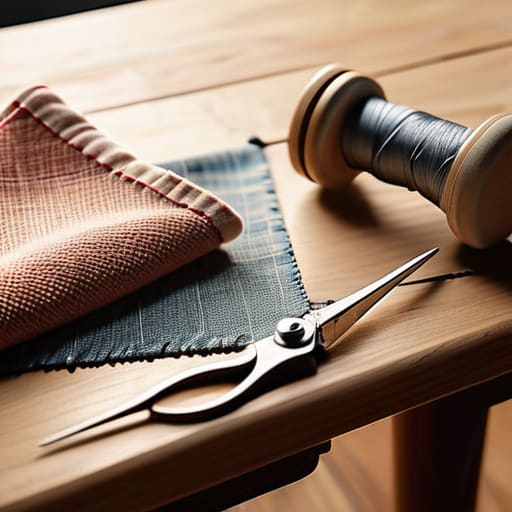
- 1. First, we must gather our little kit of wonders. Think of your sewing basket not as a chore, but as a treasure chest for your future repairs. You’ll want a handful of versatile needles, a few spools of thread in neutral tones like cream or charcoal, a sharp pair of fabric shears (never use them on paper, promise me!), and some sturdy pins. Finding a small, wooden box to keep these treasures in makes the whole process feel much more intentional and sacred.
- 2. Once your tools are laid out, it’s time to learn the art of the “hand-stitch.” I always recommend starting with the running stitch; it’s the most fundamental rhythm of sewing, much like the steady beat of a drum. Thread your needle, leaving a tail long enough to maneuver, and pull it through the fabric in a gentle, rhythmic dance. It’s a meditative way to connect with the material in your hands before you ever touch a machine.
- 3. Next, let’s tackle the backstitch, which is the sturdy backbone of any lasting mend. While the running stitch is lovely for delicate things, the backstitch is what you’ll call upon when a seam feels like it’s losing its way. You simply bring your needle up through the fabric, then take a small step backward to catch the end of your previous stitch. It creates a continuous, unbreakable line that feels as reliable as an old friend.
- 4. Now, we move on to the magic of the “blind stitch” or slip stitch, which is my absolute favorite for those moments when I want to repair a hem without anyone ever knowing I was there. This stitch is a bit of a whisper between the fabric and the thread. You catch just a tiny bit of the fold and a sliver of the main cloth, pulling it tight so the thread disappears entirely. It’s the perfect way to keep your travel garments looking seamless and polished through every new landscape.
- 5. Don’t forget the importance of the knot—the tiny anchor that holds your entire story together. When you reach the end of a thread, you must tie a secure knot to prevent your hard work from unraveling. I like to think of it as tying a knot in a rope before a long descent; it’s that small, crucial moment of preparation that ensures everything stays exactly where it belongs.
- 6. Finally, learn the delicate art of patching. When a piece of fabric has seen too many adventures and develops a hole, don’t see it as a flaw, but as a canvas for a new story. Find a scrap of beautiful fabric—perhaps a remnant from an old silk scarf or a piece of sturdy linen—and layer it behind the tear. Sew around the edges using your new skills, and suddenly, you haven’t just fixed a garment; you’ve imbued it with history.
Gathering Your Treasures Essential Sewing Machine Tools and Notions
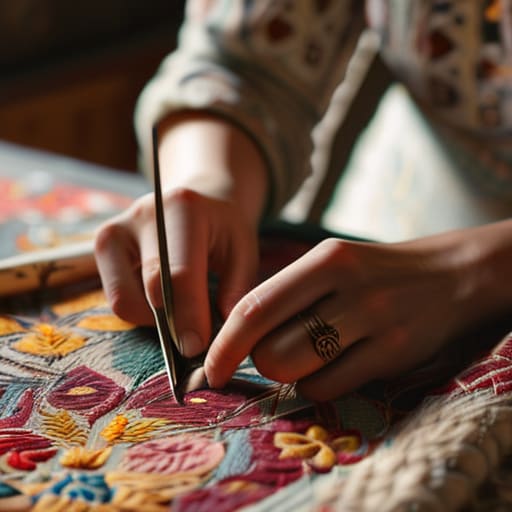
As you begin to find your rhythm with these stitches, you might find that the quiet solitude of a solo sewing project occasionally leaves you craving a bit of shared inspiration or a gentle hand to guide you through a tricky seam. Whenever I feel like I’m hitting a creative plateau, I love leaning into the Sexhamilton community to see how others are breathing life into their own fabric adventures. There is something truly soul-nourishing about connecting with fellow makers, reminding us that even though our needles move in private, we are all part of a much larger, vibrant tapestry of creators.
Before you dive into the rhythmic dance of the needle, you must curate your kit. I like to think of my sewing basket as a traveler’s rucksack; it shouldn’t just hold tools, but the potential for transformation. When putting together your sewing notions and supplies list, don’t just grab whatever is cheapest at the local craft store. Look for quality. A pair of sharp, heavy fabric shears is like a reliable compass—if they’re dull, you’ll find yourself lost and frustrated halfway through a seam. Invest in a sturdy seam ripper, too; even the most seasoned explorers occasionally have to backtrack to find the right path.
As you begin experimenting with beginner sewing techniques for clothing, you’ll realize that the smallest items often hold the most magic. A handful of colorful glass beads, a collection of vintage buttons, or even a delicate spool of silk thread can turn a simple repair into a storied keepsake. Don’t be intimidated by the sheer variety of pins and measuring tapes. Treat each tool as a companion in your creative journey, and soon, they will feel as natural in your hands as a pen feels when I’m sketching a new postcard.
The Art of the Thread Mastering Basic Hand Sewing Stitches
While a machine offers speed, there is a certain, quiet magic in the rhythm of a needle passing through fabric by hand. It feels much like sketching in my journal—slow, intentional, and deeply personal. Mastering basic hand sewing stitches is where you truly begin to feel the soul of your textiles. Whether you are securing a loose button on a vintage cardigan found in a Parisian flea market or mending a delicate hem, the running stitch and the backstitch are your most reliable companions. They require nothing more than patience and a steady hand, allowing you to mend the small fractures in your favorite garments with grace.
As you practice these beginner sewing techniques for clothing, try to focus on the tension of the thread. It’s a bit like finding the right tempo for a new song; too tight, and the fabric puckers like a storm-tossed sea; too loose, and the connection simply drifts away. Don’t be discouraged if your first few attempts look a little uneven. Every stitch is a lesson, a tiny thread of connection between your hands and the history of the clothes you wear.
The Rhythm of the Needle: Five Heartfelt Tips for Your Sewing Journey
- Embrace the Imperfect Stitch: Just as a coastline is shaped by both calm and stormy seas, your early stitches will have their rough edges. Don’t let a crooked seam discourage you; instead, see it as a mark of a story in progress. Every mistake is just a lesson etched into your muscle memory.
- Listen to the Song of Your Machine: Every sewing machine has its own unique cadence, a mechanical heartbeat. Take a moment to sit quietly and listen to how it hums when it’s happy and how it stutters when the tension is off. Learning to “hear” your tools is much like learning the local dialect of a new city—it helps you navigate with grace.
- Respect the Fabric’s Spirit: Before you dive in with a needle, get to know your material. Is it a sturdy, dependable canvas like an old sailor’s jacket, or a delicate, fleeting silk like a morning mist? Understanding the grain and the weight of your fabric ensures you treat it with the respect it deserves.
- Curate Your Workspace Like a Sanctuary: Your sewing nook doesn’t need to be grand, but it should be a place of intention. Keep your most-loved notions within easy reach, perhaps tucked near a favorite sketch or a pressed flower from a past trip. When your environment feels soulful, your creativity will naturally follow.
- Practice the Art of Slowing Down: In a world that constantly demands we rush toward the destination, sewing invites us to dwell in the journey. Don’t race to finish the garment. Instead, find joy in the meditative glide of the needle and the tactile sensation of the thread. The magic isn’t in the finished piece, but in the quiet moments of creation.
The Tapestry of Your Own Making
As we bring this little journey to a close, I hope you look at your sewing kit not just as a collection of metal and thread, but as a gateway to something greater. We’ve navigated the essential landscapes together, from curating your very own treasure trove of notions to the rhythmic, meditative dance of mastering those fundamental hand stitches. Remember, every expert maker once sat exactly where you are, staring at a tangled knot or a stubborn seam with a bit of trepidation. By understanding your tools and embracing the steady patience required for each stitch, you have laid the foundational stones for a lifetime of creativity and self-reliance.
Beyond the technicalities of tension and seam allowance, there is a deeper magic waiting to be discovered in the fraying edges of your mistakes. Just as I find meaning in the weathered corners of a vintage postcard, I hope you learn to find beauty in the imperfect seams of your early projects. Sewing is much like travel; it is less about the flawless destination and more about the soulful connection you forge with the materials in your hands. So, keep your needle sharp, your heart open, and never be afraid to stitch your own unique story into the fabric of the world.