10 Trends That Will Shape the Future of Work
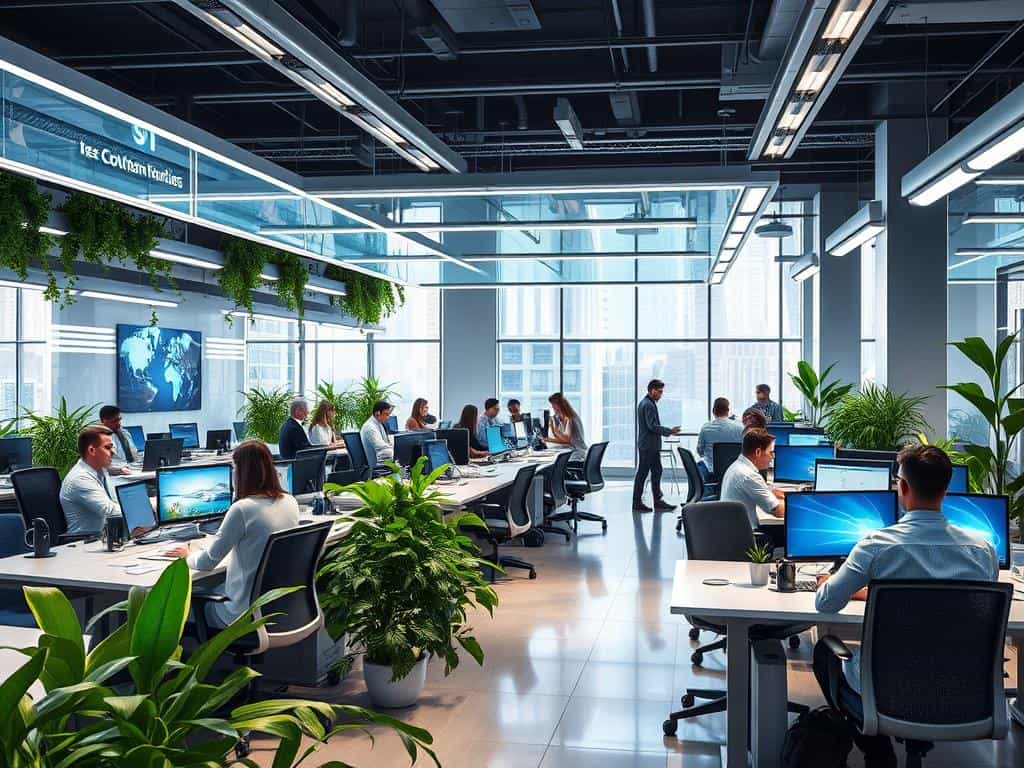
Adapting to the changing workplace is like a conversation I had with a friend who runs a marketing agency. He was trying to hire people but found it hard because of a labor shortage. He said, “We now need to offer hybrid work and focus on employee well-being to attract the best talent.”
This idea is shared by many companies. They see that the future of work is about being flexible and innovative.
As we move into 2024, big changes are happening. These changes come from economic needs and new technology. Remote work is now easy thanks to advanced tech, letting people work from anywhere.
Companies are starting to see the value in training their workers and caring for their well-being. This is key to keeping them happy and on board. AI and automation are making things more efficient, freeing up people to do more creative work. There’s also a big push for diversity, equity, and inclusion in the workplace.
Businesses need to keep up with these trends to stay ahead. This includes embracing the gig economy and focusing on sustainability. The work world is changing, and understanding these shifts is important. It helps create better work places and attracts people who want to do meaningful work.
Key Takeaways
- Hybrid work models are now the standard, giving employees more flexibility.
- Remote collaboration platforms are changing how we work together.
- Investing in employee wellness and training is key for keeping staff.
- AI and automation are becoming vital for better productivity and efficiency.
- Diversity, equity, and inclusion are top priorities for today’s companies.
- The gig economy offers new chances for skilled workers who want flexibility.
Remote Work Dynamics
The way we work has changed a lot because of remote work. Many companies now let employees choose where they work. This mix of working from home and in the office has made people happier and more productive.
The Rise of Hybrid Work Models
Hybrid work models are becoming more popular. They offer a good mix of working from home and in the office. 77% of remote workers say they get more done at home. This shows that remote work is changing how we see work.
Managers are starting to see the value in remote teams. 85% believe remote teams will soon be the norm.
Impact of Generational Shifts on Remote Work
Generations are influencing how we work remotely. Millennials and Gen Z want a better work-life balance. 86% of Gen Zers and 60% of millennials like to work from home at least once a week.
This shows how important flexibility is in jobs. Companies that offer this can attract and keep the best workers. Remote work makes employees happier and opens up the job market to more people.
Tech Innovations Transforming Careers
Tech innovations are changing the workplace, thanks to generative AI and automation. These tools help companies work better and faster. With many workers not being used to their full capacity, companies must find new ways to stay ahead.
Generative AI and Automation in the Workplace
Generative AI is making a big difference in many fields. Automation can do tasks that used to need people. This makes work more efficient but also worries about jobs being lost.
Jobs that are now automated need workers to focus on more complex tasks. This change is making workplaces more dynamic. Companies must use these technologies wisely, thinking about privacy and fairness.
Skills-First Hiring Practices for Future Success
Companies are now focusing on skills when hiring, not just degrees. This approach, seen in places like Delta Air Lines, brings in a more diverse team. It helps solve the problem of not enough skilled workers.
This method also prepares for jobs that will change with new technology. It opens up opportunities for more people, making workplaces fairer and more inclusive.
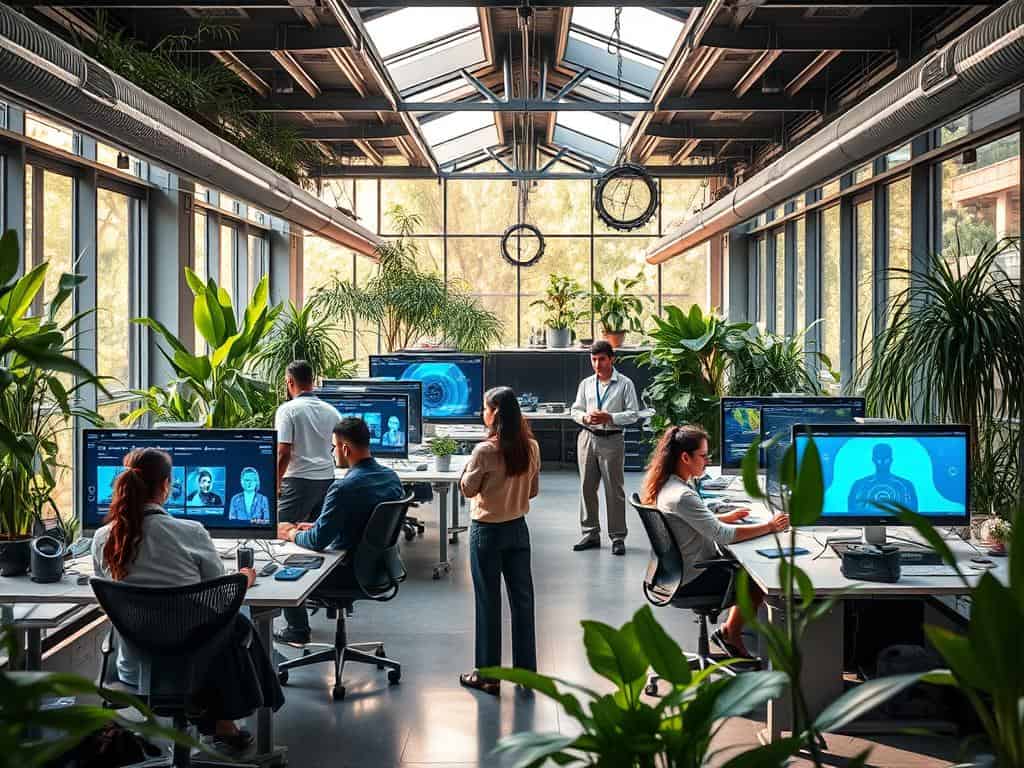
Future of Work: Adapting to Change
The world of work is always changing, shaping how companies work and connect with their teams. New leadership styles are key in creating adaptable workplaces. Leaders now focus on empathy and teamwork, moving away from old, top-down ways.
This change brings a more open and creative space. Here, everyone’s voice is heard, and new ideas can grow.
Emerging Leadership Styles and Workplace Culture
New leadership focuses on people, making sure employees are happy and involved. These styles help companies use the best from diverse teams. This way, solving problems gets better.
HR leaders are leading digital changes, aiming to stay ahead by keeping the best talent. These efforts shape a lively and strong work culture.
Caregiving Policies and Employee Retention Strategies
Caregiving policies are now key for companies to support their workers. Good policies keep employees happy and loyal. They also make sure workers can adapt to new tech quickly.
The pandemic showed how important these policies are. Soon, one in 16 workers might need a new job. Companies that get this will do well in the market.
Conclusion
The Future of Work is changing fast, thanks to new tech and a diverse workforce. I’ve seen how work is getting faster and more complex. This is because our world is more connected, and jobs are changing too.
Companies need to adapt to these changes. They must use remote work and new ways to find talent. This will help create work environments that people want to be in.
Workplaces are evolving, and teams are becoming more flexible and connected. For example, NASA is working on career growth and attracting new talent. This is important because more people are moving to big cities, changing where and how we work.
Looking at current projects, it’s clear that companies must act now. They should focus on learning new skills and teamwork. This way, they can succeed in today’s fast-paced work world and face future challenges head-on.
