A No-nonsense Guide to Weatherproofing Your Shed: Protecting Your Sanctuary From the Elements
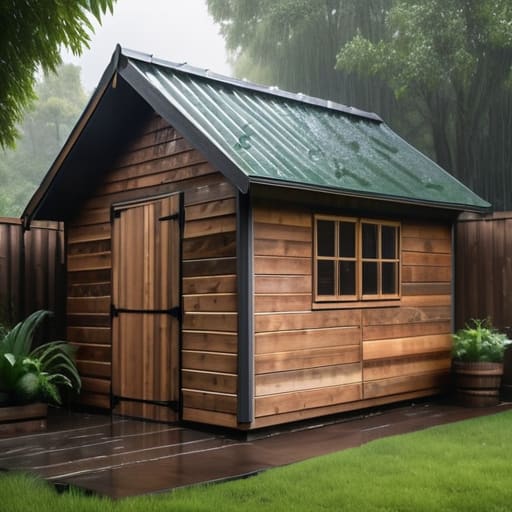
The rain was drumming a relentless, rhythmic beat against the corrugated metal, a sound that usually brings me peace, but this time it felt like a warning. I stood there, staring at the damp, musty corner where my cherished collection of hand-sketched postcards and vintage film canisters sat, realizing that my little backyard sanctuary was failing me. It’s a common misconception that you need a massive budget or a construction crew to protect your belongings; in reality, learning how to weatherproof a shed is more about understanding the subtle language of the elements than it is about expensive hardware.
I’ve spent years documenting how different cultures build to withstand the whims of nature, and I’ve realized that the same principles of resilience and care apply to our own small corners of the world. In this guide, I’m stripping away the jargon and the high-priced gimmicks to give you a straight-shooting, practical roadmap. We are going to walk through the essential steps of sealing, protecting, and fortifying your space, ensuring that your treasures remain perfectly dry and safe, no matter what kind of storm decides to wander through your doorstep.
Guide Overview
Tools & Supplies
- Paintbrush or roller for applying sealant
- Caulk gun for filling gaps
- Sandpaper for smoothing rough surfaces
- Pressure washer or garden hose for cleaning
- Exterior wood sealant or stain (1-2 gallons)
- Exterior-grade caulk (2-3 tubes)
- Roofing patch kit or shingles (1 kit)
- Sandpaper (various grits)
Step-by-Step Instructions
- 1. Before you pick up a single tool, you must perform a thorough scouting expedition of your shed. Much like I do when I arrive in a new village, I like to walk the perimeter and look for the tiny, subtle clues of wear and tear. Check the corners for soft spots in the wood, inspect the roof for any missing shingles, and look closely at the base to see if the earth is trying to reclaim the structure. Finding these hidden vulnerabilities early is the secret to a successful mission.
- 2. Once you’ve mapped out the damage, it’s time to clear the canvas by cleaning the surfaces. Grab a stiff brush and sweep away the moss, the stubborn lichen, and the accumulated dust that has settled in the crevices. If you’re working with wood, a gentle wash with a mild detergent can work wonders, but be sure to let it dry completely. You wouldn’t want to paint a landscape while the canvas is still damp and heavy, would you?
- 3. Now, we address the skeletal strength of your sanctuary: the foundation. If your shed is sitting directly on the soil, it’s essentially inviting the dampness to a permanent tea party. I recommend creating a breathable barrier by placing gravel or paving stones around the base. This small act of kindness to your shed allows moisture to flow away from the timber, preventing that slow, creeping rot that can dismantle even the sturdiest structures.
- 4. Next, we turn our attention to the roof, which acts as the great umbrella for your treasures. If you have felt roofing, ensure it is tightly adhered; if you have shingles, replace any that have become curled or brittle like old parchment. For an extra layer of soulful protection, consider applying a specialized waterproof sealant along the ridges. Think of it as a protective cloak against the sudden, dramatic downpours that often catch us off guard in the wild.
- 5. We cannot forget the gaps—those tiny, invisible doorways where the wind and rain love to sneak in. Use a high-quality exterior caulk to seal the seams around window frames, door jambs, and where the walls meet the roof. I find that taking the time to be meticulously thorough here pays off immensely when the first autumn storm begins to howl outside your window.
- 6. To truly finish the job, you must give the wood its own suit of armor by applying a weatherproof stain or sealant. This is my favorite part, as it’s much like adding the final, vibrant colors to a sketch. Choose a product that offers UV protection and water repellency, and apply it in even, sweeping strokes. This layer doesn’t just stop the rain; it preserves the natural character of the wood, allowing it to age gracefully alongside your memories.
Preventing Wood Rot in Garden Sheds for Lasting Magic

There is a quiet melancholy in watching something beautiful slowly succumb to the damp. During my time documenting the weathered fishing villages of coastal Portugal, I learned that the sea doesn’t just touch things; it seeks to reclaim them. Your shed is much the same—a little wooden sanctuary that, if left unguarded, will eventually surrender to the persistent creep of decay. Preventing wood rot in garden sheds isn’t just about maintenance; it’s about preserving the integrity of your little outpost against the relentless cycle of rain and humidity.
While we’ve focused heavily on the structural defenses of your shed, I’ve learned through many a rainy season that true peace of mind comes from having the right tools tucked away in a space that feels truly organized and secure. It’s much like packing a well-worn rucksack for a trek through the Highlands; you want to know that every piece of equipment is exactly where it should be, shielded from the damp. If you find yourself feeling a bit overwhelmed by the sheer amount of gear you need to protect, you might find it helpful to read more about finding the perfect storage solutions to keep your sanctuary both functional and resilient against the changing seasons.
To truly safeguard your space, you must think like an anthropologist studying an ecosystem. It starts from the ground up. I often find that the most overlooked culprit is poor airflow; if your shed sits in a stagnant puddle, moisture will find its way in. Implementing thoughtful shed foundation drainage solutions ensures that water flows away from your structure rather than pooling beneath it. Once you’ve mastered the base, focus on the skin of the wood. Applying a high-quality sealant or choosing the best exterior paint for outdoor sheds acts like a protective cloak, repelling the damp before it can settle into the grain and begin its slow, invisible work.
Protecting Your Shed From Moisture and Mold With Care
There is a quiet, almost melancholic beauty in the way a heavy mist clings to a garden in the early morning, but for your shed, that same moisture can be a slow-moving thief. I’ve learned from watching how humidity behaves in the tropical rainforests of Southeast Asia that air is never truly still; it carries weight and intent. To keep your sanctuary dry, you must prioritize protecting your shed from moisture and mold by ensuring there is constant, gentle airflow. If your shed feels a bit too much like a damp cave, consider installing small, screened vents. This simple act allows the structure to breathe, much like the rhythmic ebb and flow of the tides back home in my coastal village.
Beyond the air itself, we have to look at the ground beneath our feet. I often think of a well-built home as a ship sitting high in the water; if the hull is too low, the sea will eventually find a way in. Implementing smart shed foundation drainage solutions—perhaps a bit of gravel or a slight tilt in the base—ensures that rainwater doesn’t pool around your sanctuary. By keeping the base dry, you aren’t just maintaining a structure; you are preserving the integrity of your little outdoor haven.
Little Guardians: Five Ways to Keep Your Shed Safe and Sound
- Watch the ground beneath your feet; ensuring your shed sits on a solid, well-drained foundation—like a sturdy boat on a calm harbor—prevents rising damp from creeping into your sanctuary.
- Give your roof a seasonal check-up, looking for loose shingles or cracks, because even a tiny leak can feel like a torrential monsoon when it starts seeping into your stored treasures.
- Embrace the art of the gutter; keeping your drainage clear ensures that rainwater is guided gracefully away from your walls rather than pooling like a restless tide at the base.
- Seal the gaps around doors and windows with thoughtful weatherstripping, creating a cozy barrier that keeps the biting wind out and your peaceful little nook feeling secure.
- Don’t forget the magic of a fresh coat of sealant or paint, which acts much like a traveler’s waxed canvas, shielding the wood from the sun’s harsh glare and the rain’s relentless touch.
Tending to Your Little Sanctuary
As we pull the curtain back on this project, remember that weatherproofing is less about a single task and more about a rhythm of care. From the foundational work of ensuring a dry base to the meticulous application of sealant against moisture and mold, every step you’ve taken serves as a shield. By addressing wood rot before it takes hold and sealing those tiny, invisible cracks, you aren’t just maintaining a structure; you are preserving a piece of your own history. Whether it holds your weathered gardening tools or a collection of half-finished sketches, your shed is now prepared to stand firm against the unpredictable whims of the seasons.
In my travels, I’ve learned that the most beautiful things are often the ones we take the time to protect. Just as I carefully tuck my postcards into a waterproof journal to keep their colors vibrant, you are ensuring that your garden sanctuary remains a place of peace rather than a victim of the rain. Don’t view these chores as mere maintenance, but rather as an act of intentional stewardship. Step outside, breathe in the scent of damp earth, and take pride in knowing you have built something resilient and lasting, ready to weather whatever storms the world decides to send your way.