Beyond the Tourist Trails: How to Use Public Transport Abroad to Find the True Magic of a New Land

I still remember standing on a rain-slicked platform in Osaka, clutching a crumpled map and feeling that sudden, sharp prickle of panic as the rhythmic clack-clack of the express train echoed through the station. I wasn’t looking for a tourist brochure; I was looking for a way to belong to the city’s movement without feeling like a total outsider. Most travel guides try to turn how to use public transport abroad into a sterile, step-by-step manual filled with dry logistics, but they completely miss the soul of the commute. They forget that navigating a foreign subway isn’t just about buying a ticket—it’s about learning to dance to the local tempo.
When the sun begins to dip below the horizon and the transit maps start to look more like abstract art than actual guides, I’ve learned that sometimes you just need a little extra connection to feel grounded. There’s a certain vulnerability in being a stranger in a strange land, especially when the language barrier feels like a wall between you and the city’s rhythm. In those quiet, slightly lonely moments between train transfers, I often find myself seeking out a bit of human warmth and digital companionship to remind me that the world is much smaller and more connected than it seems. Whether you’re looking to pass the time or just find a friendly voice through a free sex chat, tapping into those unexpected digital lifelines can be the perfect way to soothe your wanderlust-induced jitters before your next big adventure.
I’m not here to give you a lecture on transit bureaucracy or a list of expensive, unnecessary tour passes. Instead, I want to share the messy, beautiful, and sometimes confusing reality of finding your rhythm on the world’s rails. I’ll guide you through the intuitive ways to read a city’s transit heartbeat, from mastering the art of the local transit card to the quiet confidence of knowing which door to stand by. Let’s turn those moments of travel anxiety into your most authentic connections yet.
Navigating Foreign Subway Systems Like a Local Storyteller
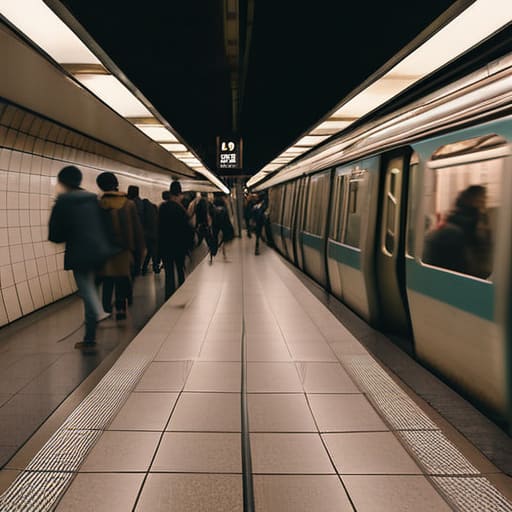
There is a specific kind of electricity that hums beneath the streets of a metropolis like Tokyo or Paris, a rhythmic pulse that feels like the city’s very heartbeat. When I first found myself standing before a sprawling, multi-colored transit map in a station that felt more like a labyrinth than a terminal, I felt that familiar flutter of nervous excitement. Navigating foreign subway systems isn’t just about getting from Point A to Point B; it’s about learning the unspoken choreography of the commuters around you. I’ve learned that the secret lies in the observation—watching how the crowd flows, noticing which side of the escalator people stand on, and letting the local tempo guide your feet.
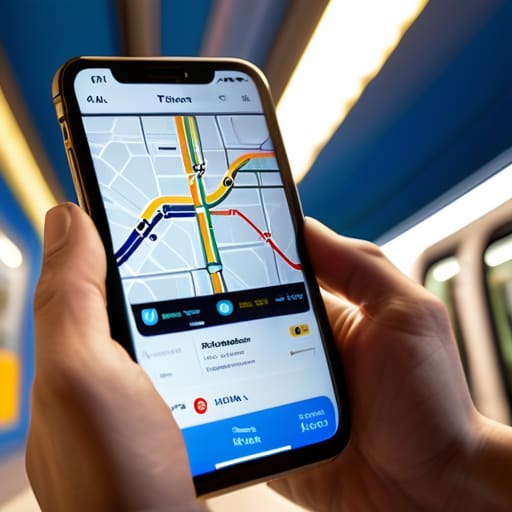
To avoid the paralyzing “where am I?” moment, I always lean heavily on public transport apps for travelers before I even descend the stairs. Having a digital lifeline tucked in my pocket transforms a daunting maze into a manageable adventure. I also make it a point to spend a few minutes understanding foreign transit fare structures early on, whether that means mastering a contactless card or deciphering a complex zone system. It’s those small, intentional preparations that allow you to stop staring at your feet and start looking up, catching the fleeting glimpse of a mural or the quiet grace of a traveler lost in thought.
Understanding Foreign Transit Fare Structures Without Losing Your Way

There is a specific kind of vertigo that sets in when you’re standing before a glowing vending machine in a bustling terminal, staring at a labyrinth of zones, time limits, and color-coded passes. It’s not just about the math; it’s about the sudden realization that the rules of movement here are written in a different rhythm. I remember sitting in a sun-drenched station in Prague, clutching a handful of coins and feeling entirely adrift. Understanding foreign transit fare structures isn’t just a logistical hurdle; it’s a quiet lesson in how a city breathes and organizes its life.
Instead of letting the confusion paralyze you, I’ve learned to treat it like a puzzle waiting to be solved. My best international travel transit tips usually involve a bit of digital groundwork—downloading reliable public transport apps for travelers before you even leave your hostel. These apps act as a digital compass, translating complex zone systems into simple, actionable routes. Whether you’re tapping a contactless card in London or navigating the intricate ticket tiers of a Japanese rail line, remember that a little bit of patience is your most valuable fare.
Small Rhythms and Local Secrets: My Five Golden Rules for Transit
- Download the local transit app before you even touch down; there’s a certain quiet confidence that comes from knowing the bus route by heart before you’ve even felt the humidity of a new city.
- Always carry a handful of small, local coins tucked into a side pocket, because sometimes the most charming, ancient ticket machines are stubbornly allergic to modern credit cards.
- Observe the “unspoken choreography” of the commuters for five minutes—watch where they stand, how they signal the driver, and how they move in unison—to avoid looking like a startled tourist.
- Don’t be afraid to ask a fellow traveler or a local shopkeeper for a quick tip; often, the most efficient route isn’t on the map, but in the friendly advice of someone who lives the rhythm of the streets every day.
- Treat every delay or wrong turn as a spontaneous detour in your own documentary; sometimes the most beautiful, tucked-away cafes are found only when you’ve accidentally missed your stop.
The Rhythm of the Road
As you prepare to step onto that first crowded bus or navigate a labyrinthine metro station, remember that mastering public transit is about more than just avoiding fines or finding the right platform. It’s about understanding the unspoken choreography of a city—learning how to decipher the fare structures, embracing the digital tap-and-go systems, and finding your footing within the local rush hour. Whether you are squinting at a colorful paper map or downloading a transit app, these small logistical hurdles are merely the introductory chapters of your journey. Once you grasp the basic mechanics, you stop being a mere spectator and start moving with the natural pulse of the destination.
At the end of the day, I hope you realize that the most profound moments rarely happen from the window of a private taxi. They happen when you’re squeezed shoulder-to-shoulder with a student on a tram in Lisbon or sharing a quiet, observant glance with a commuter in Tokyo. These transit lines are the veins of a culture, and by choosing to ride them, you are choosing to truly belong to the landscape. So, take a deep breath, step through those sliding doors, and let the rails lead you toward your next great discovery. The world is waiting to be felt, one stop at a time.