Breaking the Box: the Rise of Non-binary Architecture
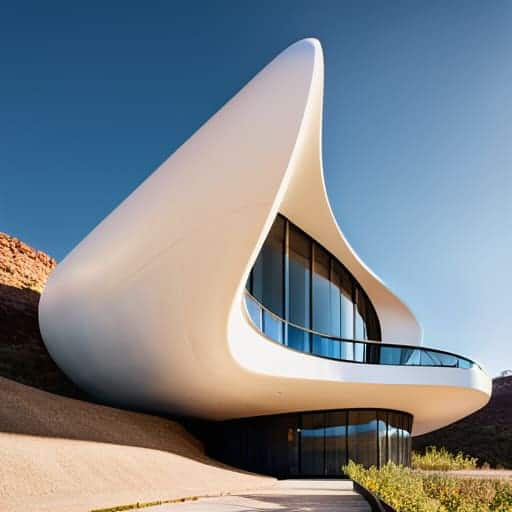
I remember standing in the middle of a massive, sterile office complex last year, staring at a hallway that felt like it was designed by a spreadsheet rather than a human being. The lighting was aggressive, the layout was rigid, and the gendered restroom signs felt like a heavy-handed afterthought that actually made the space feel less welcoming. It was a perfect, frustrating example of why our current approach to design is failing us. We’ve spent decades building structures that force people into neat little boxes, but the reality of how we live and move is far more fluid. That’s exactly why Non-binary Architecture isn’t just some niche academic trend or a way to check a diversity box—it’s about finally designing for the actual human experience.
I’m not here to feed you a bunch of lofty, theoretical jargon that sounds great in a lecture hall but falls apart on a construction site. Instead, I’m going to pull back the curtain on what this actually looks like in practice. We’re going to dive into the real-world mechanics of creating spaces that breathe, move, and adapt, stripping away the hype to focus on tangible, inclusive design.
Table of Contents
Breaking Architectural Binaries Through Gender Expansive Spatial Design
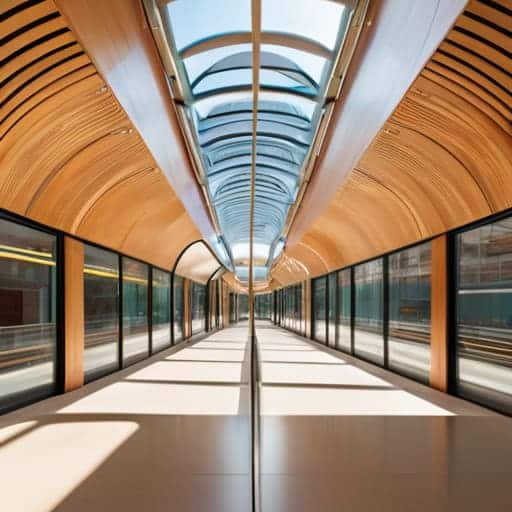
For too long, we’ve treated public space as a series of rigid, gendered checkboxes. We see it in the hyper-segregated layout of public restrooms or the way lighting and sightlines in transit hubs are designed with a “standard” user in mind—usually a cisgender man. To move past this, we have to embrace gender-expansive spatial design. This isn’t just about adding a third stall to a bathroom; it’s about questioning why we feel the need to compartmentalize human identity through physical barriers in the first place.
When we look at the intersection of queer urbanism and theory, we start to see that the built environment often acts as a silent enforcer of the status quo. By designing for fluidity rather than fixed categories, we can create spaces that feel safe and intuitive for everyone. This means rethinking how we move through a city and how we perceive “private” versus “public” zones. Ultimately, we aren’t just rearranging floor plans; we are engaging in socially transformative architecture that allows people to exist in the world without constantly negotiating their right to occupy space.
How Non Conforming Built Environments Challenge the Status Quo
If you’re looking to see how these theoretical concepts actually play out in real-world social dynamics, it helps to look at how urban spaces facilitate intimate human connections. Beyond just the walls and hallways, the way a city is laid out dictates how we interact in our most private moments; for instance, exploring the nuances of sex in edinburgh can offer a fascinating glimpse into how socially fluid environments shape our modern understanding of identity and desire.
When we talk about challenging the status quo, we aren’t just talking about aesthetics or adding a few more neutral-colored walls. We are talking about a fundamental shift in how we perceive ownership and belonging in public life. Most of our cities are built on a logic of segregation—segregated by function, by class, and most visibly, by gender. Non-conforming built environments act as a direct protest against this rigid sorting. Instead of forcing people into pre-defined boxes, these spaces prioritize fluidity, allowing the user to dictate how they interact with the surroundings rather than being dictated to by the floor plan.
This is where the grit of queer urbanism and theory meets the actual concrete of our streets. It’s about questioning why a public square feels “safe” or “unsafe” based on sightlines and visibility. By dismantling the traditional hierarchies of space, we move toward a model of socially transformative architecture that doesn’t just accommodate marginalized bodies, but actively celebrates their presence. We are finally moving past the era of “tolerating” diversity and entering an era where the very bones of our buildings reflect a world that is beautifully, unapologetically complex.
Five Ways to Stop Designing for a Binary That Doesn't Exist
- Ditch the “Men vs. Women” restroom divide. Instead of splitting floor plans down a gendered middle, design single-user, all-gender stalls that prioritize privacy and dignity for everyone without making them feel like an afterthought.
- Rethink the “standard” body type. Architecture often assumes a very specific, able-bodied, cisgendered physical norm; start designing circulation paths and furniture that accommodate the actual, messy spectrum of human movement and presence.
- Move away from rigid, single-use rooms. Gendered spaces often rely on hyper-specific social roles; by creating flexible, modular layouts, you allow people to inhabit and adapt spaces based on how they actually feel in the moment, rather than what a label dictates.
- Challenge the visual language of “masculine” or “feminine” aesthetics. We need to stop associating heavy, brutalist textures with “strength” and soft, pastel palettes with “nurturing”—those are just social constructs that limit how we experience a space.
- Prioritize sensory-inclusive design. Non-binary identity often intersects with neurodivergence; creating “low-stimulation” zones or adjustable lighting helps ensure that a space is welcoming to people who experience the world through a different sensory lens.
The Bottom Line
Architecture isn’t neutral; our current obsession with rigid, binary layouts actively excludes people. We have to stop treating gender-expansive design as a “niche” add-on and start seeing it as a fundamental requirement for functional spaces.
True inclusivity means moving beyond just adding more single-stall bathrooms. It’s about rethinking how we use light, scale, and circulation to create environments that don’t force anyone into a predefined social box.
Designing for non-binary identities isn’t just a political statement—it’s a push toward better, more flexible architecture that works for the messy, diverse reality of human life.
## The Blueprint of Belonging
“Architecture has spent centuries building walls that tell us exactly who we are supposed to be; it’s time we started designing spaces that finally ask us who we actually are.”
Writer
The Future is Fluid
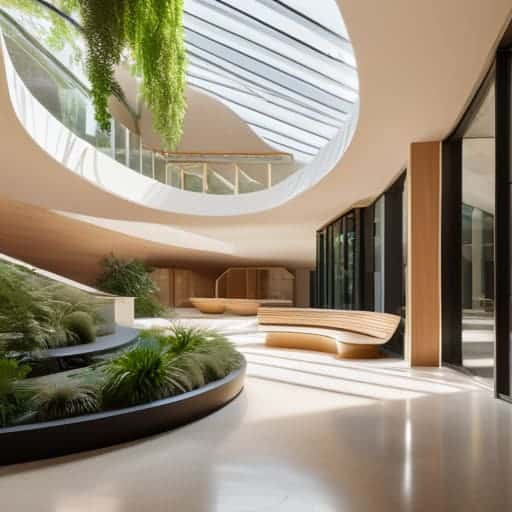
At its core, moving toward non-binary architecture isn’t just about adding a few more gender-neutral restrooms to a floor plan; it’s about a fundamental shift in how we perceive space and identity. We’ve spent decades building rigid, categorized environments that force people into boxes, but as we’ve seen, these structures often fail the very people they are meant to serve. By prioritizing spatial fluidity and dismantling the traditional gendered cues embedded in our hallways, offices, and public squares, we can create built environments that finally reflect the actual complexity of human existence. It is about moving away from the “one size fits all” mentality and toward a design language that is genuinely inclusive.
Ultimately, the way we build our world is a direct reflection of who we value. When we cling to binary design, we are essentially telling certain communities that they don’t belong in the physical fabric of our society. But there is a massive opportunity here to rewrite that narrative. As architects, urban planners, and even everyday citizens, we have the power to demand spaces that breathe, adapt, and evolve alongside us. Let’s stop building walls that divide and start designing open landscapes that celebrate the beautiful, messy, and limitless spectrum of humanity.
Frequently Asked Questions
How do we actually implement these design changes without blowing the entire project budget?
Look, I get it. “Inclusive design” often sounds like an expensive luxury reserved for high-end boutique firms. But it’s not about adding gold-plated fixtures; it’s about smarter planning. Instead of retrofitting expensive gender-neutral stalls later, just design flexible, single-user pods from the jump. It’s about shifting the focus from “more stuff” to “better layout.” Small, intentional tweaks in circulation and modularity cost almost nothing compared to the massive headache of tearing down walls later.
Is this just about gendered bathrooms, or does it fundamentally change how we think about floor plans and privacy?
It’s way bigger than just bathrooms. While gendered restrooms are the most obvious flashpoint, this movement actually tears up the entire blueprint. We’re talking about rethinking the “standard” floor plan—moving away from rigid, segregated zones and toward fluid, modular spaces. It’s about how we define privacy, how we navigate communal versus solitary areas, and how a layout can either force you into a category or let you just exist without being labeled.
How can architects balance the need for inclusive, non-binary spaces with the traditional safety and comfort expectations of the general public?
It’s a delicate tightrope walk. You can’t just throw open the doors and hope for the best; people need to feel secure to actually enjoy a space. The trick is moving away from “segregated safety” toward “universal visibility.” Instead of hyper-gendered corners, we should focus on intuitive, open layouts and high-quality lighting that eliminate dark, scary pockets. When a space feels transparent and easy to navigate, safety becomes a shared standard rather than a gendered one.
