Cultivating Your Own Indoor Oasis: a Soulful Beginner Guide to Indoor Plant Care to Find Magic in Your Home.
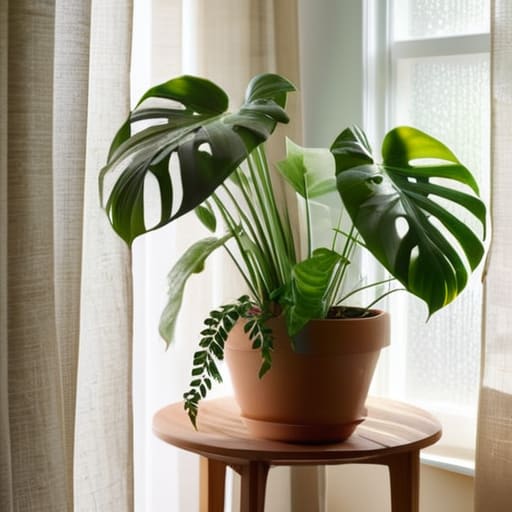
I remember sitting in a sun-drenched courtyard in Kyoto, surrounded by moss so vibrant it felt like a living emerald, and thinking how far I was from the wilted, brown-edged tragedy sitting on my windowsill back home. I used to think that if I couldn’t possess a “green thumb” by some mystical decree, I was destined to be a serial plant killer. But let’s be honest: most advice out there is just a collection of expensive, complicated rituals that make you feel like you need a PhD in botany just to keep a pothos alive. You don’t need a laboratory or a mountain of specialized fertilizers; what you actually need is a simple, honest beginner guide to indoor plant care that treats your greenery like the living, breathing travelers they are.
As you begin to curate your own little indoor sanctuary, don’t feel like you have to navigate this green metamorphosis all by yourself. Just as I often rely on my old, weathered field guides when trekking through unfamiliar terrain, I’ve found that finding a community or a reliable source of local wisdom can make all the difference in nurturing your confidence. Whether you are looking for a bit of unexpected inspiration or simply a way to connect with the vibrant energy of a new place, sometimes the most rewarding discoveries happen when we lean into the spontaneous rhythms of life, much like finding casual encounters vancouver while wandering through a bustling, sun-drenched market. Embracing those small, unplanned moments of connection can truly enrich both your travels and your home.
I’m not here to sell you on aesthetic lifestyle trends or overpriced ceramic pots that lack drainage. Instead, I want to share the unfiltered reality of nurturing life in your own small corner of the world. I’ll be walking you through the essential rhythms of light, water, and patience, drawing on the same observational curiosity I use when documenting new cultures. My promise is to give you a practical, no-nonsense roadmap that focuses on connection over perfection, helping you turn your living space into a thriving, leafy sanctuary.
Finding Magic With Low Light Houseplants for Beginners
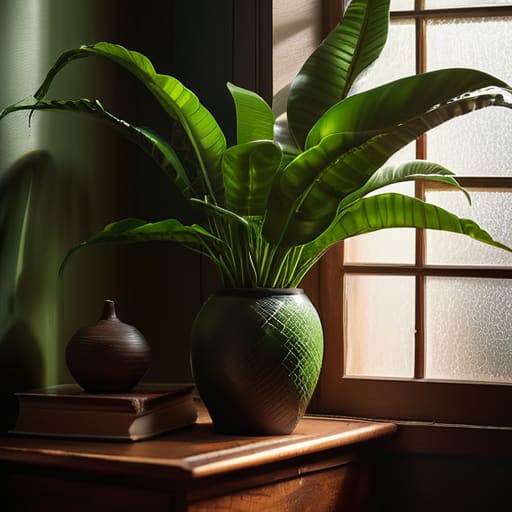
Sometimes, the most enchanting corners of a home are those tucked away from the direct, golden glare of the sun—the quiet, shadowed nooks where a bit of mystery lingers. If your living space feels more like a cozy twilight zone than a sun-drenched Mediterranean villa, don’t fret. There is a specific kind of magic in cultivating low light houseplants for beginners, like the resilient Snake Plant or the elegant ZZ plant. They don’t demand the spotlight; instead, they thrive in the gentle, filtered glow, much like the quiet moments of reflection I find in a dim, ancient library.
As you begin this slow dance with nature, remember that these shadow-dwellers have their own rhythmic needs. Because they aren’t working overtime to process intense sunlight, they often prefer a more relaxed indoor plant watering schedule. Overwatering is the most common stumble for new plant parents, so I always suggest feeling the soil first—if it’s still damp, let it be. Think of it as learning the tempo of a new song; once you catch the beat, your little indoor jungle will start to sing.
Choosing the Best Soil for Indoor Plants and Growth
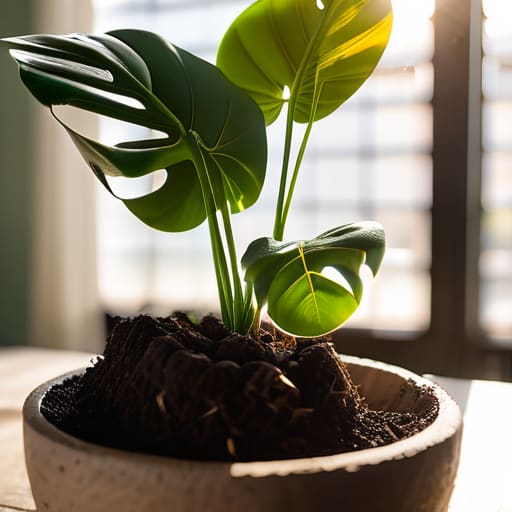
If my travels have taught me anything, it’s that the foundation of any great journey is the ground beneath your feet. In the same way, the secret to a thriving indoor jungle isn’t just in the sunlight or the water, but in the quiet, dark world of the roots. When you’re searching for the best soil for indoor plants, try to avoid those heavy, dense bags of dirt that feel more like clay than life-giving earth. Instead, look for something aerated and light—a blend that breathes. I always think of soil like a well-packed traveler’s rucksack: it needs to hold just enough moisture to sustain you, but it can’t be so heavy that you can’t move.
A good potting mix usually features a whimsical dance of coco coir, perlite, or orchid bark, creating tiny pockets of air that allow roots to stretch and explore. This is especially crucial if you are tending to low light houseplants for beginners, as these species often prefer a bit more stability in their environment. By choosing a substrate that drains well, you’re essentially giving your leafy companions the freedom to grow deep and strong, much like the ancient trees I’ve sketched in the rainforests of Costa Rica.
Listening to the Quiet Language of Your Green Companions
- Treat watering like a conversation rather than a chore; instead of following a rigid schedule, reach down and press your finger into the soil to feel if it’s truly thirsty, much like how I check the wind before setting sail.
- Think of light as the lifeblood of your little indoor travelers, so observe how the sun dances across your room at different hours to ensure your leafy friends are positioned in their own perfect, golden sanctuary.
- Don’t be afraid to embrace a little bit of mess, because gently wiping the dust from their leaves is like clearing the fog from a lens—it allows them to breathe deeply and soak up every precious drop of light.
- Remember that growth isn’t always a straight line, much like the winding paths through a mountain village; if a leaf turns yellow, don’t panic, just pause, observe, and adjust your rhythm to meet their needs.
- Find joy in the small, slow victories, like the sudden, triumphant unfurling of a new leaf, and take a moment to appreciate the quiet magic of a life blooming right there on your windowsill.
Cultivating Your Own Little Sanctuary
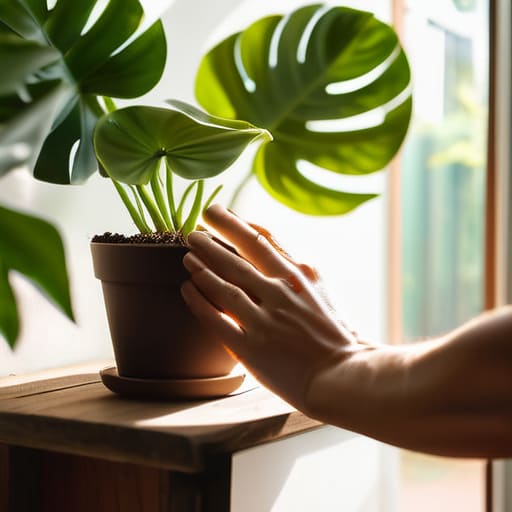
As we wrap up this little expedition into the world of indoor greenery, remember that nurturing a plant is much like navigating a new city; it requires patience, a bit of intuition, and the right tools for the journey. We’ve explored how to select resilient companions that thrive in those gentle, low-light corners of your home and how to provide them with a foundation of quality soil that feels less like dirt and more like a nourishing ecosystem. By matching your plant’s specific needs to the unique microclimates within your own living space, you aren’t just keeping something alive—you are learning the rhythmic language of growth and the quiet art of observation.
Ultimately, I hope you view your new leafy friends not as chores on a checklist, but as tiny, living travelers sharing your space. There is a profound, quiet magic in watching a single new leaf unfurl after weeks of patient waiting; it’s a reminder that beauty often requires time and a gentle hand. So, go ahead, get a little soil under your fingernails and embrace the beautiful uncertainty of it all. Whether your green thumb is fully bloomed or still just a budding idea, remember that every great adventure—and every lush indoor jungle—starts with a single, hopeful seed.