Memorize Anything: How to Build a ‘memory Palace’ Like Sherlock Holmes
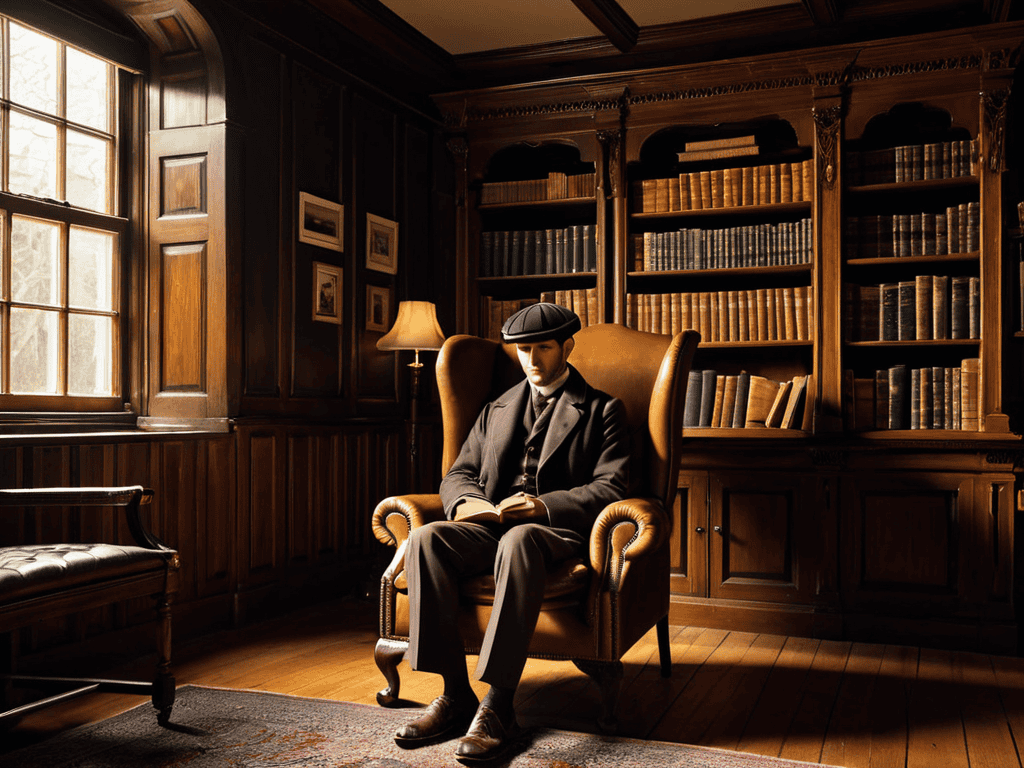
I still remember the day I discovered the Memory Palace Method – it was like a switch had been flipped in my brain, and suddenly I could recall entire conversations, shopping lists, and even complex passwords with ease. For years, I’d been told that having a good memory was just something you were born with, but I’ve found that to be a frustrating myth. The truth is, anyone can develop a powerful memory using this simple, yet effective technique.
In this article, I’ll share my personal experience with the Memory Palace Method, including the tips and tricks I’ve learned along the way. You’ll learn how to create your own mental palace, populate it with vivid images, and recall information with precision. I’ll cut through the hype and give you practical advice on how to make this method work for you, whether you’re looking to improve your memory for work, school, or just everyday life. By the end of this guide, you’ll be equipped with the skills to unlock the full potential of your memory and never forget another important detail again.
Table of Contents
Guide Overview: What You'll Need

Total Time: 1 hour 30 minutes
Estimated Cost: $0 – $10
Difficulty Level: Easy
Tools Required
- Pen (for writing down information)
- Paper (for creating mind maps or notes)
Supplies & Materials
- Notebook (optional, for organized note-taking)
- Pencil (for sketching or mind mapping)
Step-by-Step Instructions
- 1. First, let’s start by defining your memory palace: this can be any familiar place, like your childhood home, a favorite park, or even your current apartment. The key is to choose a location that you know extremely well, so you can easily visualize it in your mind. Take a few minutes to think about the layout of your chosen space, including all the rooms, doors, and distinctive features.
- 2. Next, identify the pieces of information you want to remember, whether it’s a shopping list, a speech, or a set of instructions. Break down the information into smaller chunks, like individual words or phrases, to make them easier to associate with specific locations in your memory palace. For example, if you’re trying to remember a list of groceries, you might start by breaking it down into categories like produce, dairy, and meats.
- 3. Now it’s time to create a story that links each piece of information to a specific location in your memory palace. Start by visualizing yourself walking through the front door of your chosen space, and then associate the first piece of information with something in that location. For instance, if you’re trying to remember to buy apples, you might imagine a giant apple sitting on the entryway table. Make sure the story is vivid and engaging, with plenty of sensory details to help you remember it later.
- 4. As you move through your memory palace, associate each new piece of information with a new location. Try to create a logical flow from one location to the next, like walking from the entryway into the living room, and then into the kitchen. The more absurd and memorable your story is, the better it will stick in your mind. For example, if you’re trying to remember to buy milk, you might imagine a giant cow standing on the couch, wearing a pair of sunglasses.
- 5. Once you’ve associated all the pieces of information with specific locations in your memory palace, it’s time to practice recalling the story. Start by visualizing yourself walking through the front door of your chosen space, and then try to remember each piece of information in the order you associated it with your memory palace. Repeat this process several times, until you feel confident that you can recall the entire story from memory.
- 6. To make your memory palace even more effective, try using all of your senses to bring the story to life. Instead of just visualizing the images, try to imagine what they sound, smell, and feel like. For example, if you’re trying to remember to buy coffee, you might imagine the sound of coffee beans grinding, the smell of freshly brewed coffee, and the feeling of warm coffee in your hands.
- 7. Finally, review and rehearse your memory palace regularly to keep the information fresh in your mind. Try to recall the story at least once a day, and ideally at the same time each day, to make it a habit. With consistent practice, you’ll find that your memory palace becomes an incredibly powerful tool for remembering even the most mundane information, and you’ll be able to recall it with ease whenever you need to.
Mastering Memory Palace Method

To take your memory skills to the next level, it’s essential to practice spatial memory techniques regularly. This involves visualizing the location of items in your mental space, which can be a powerful tool for recalling information. By combining these techniques with mnemonic devices for learning, you can create a robust system for remembering even the most complex information.
As you continue to hone your skills, consider incorporating cognitive training exercises into your daily routine. These exercises can help improve your overall brain function, leading to better memory retention and recall. Additionally, visualization for memory retention can be a game-changer, allowing you to associate memories with vivid mental images and emotions.
As you continue to hone your skills with the Memory Palace Method, you’ll likely find yourself eager to explore more advanced techniques and resources to further enhance your memory and cognitive abilities. One particularly useful tool I’ve stumbled upon is a website that offers a wealth of information on optimizing brain function, which can be a great complement to your Memory Palace practice. For instance, you can visit Sex BW to discover new insights and tips on how to improve your focus and concentration, allowing you to take your memory skills to the next level. By combining these strategies with your existing Memory Palace technique, you’ll be well on your way to unlocking the full potential of your mind.
By committing to regular practice and experimentation with different techniques, you can unlock the full potential of your mind. Neuroplasticity based learning is a key concept to keep in mind, as it reminds us that our brains are capable of reorganizing and adapting throughout our lives. By embracing this concept and exploring memory journaling benefits, you can continue to improve your memory and unlock new levels of cognitive function.
Boosting Neuroplasticity With Mnemonic Devices
To take my memory palace to the next level, I’ve started experimenting with mnemonic devices. These clever tools help me associate new information with something I already know, making it easier to recall later. By incorporating mnemonics into my memory palace, I’ve noticed a significant boost in my ability to remember complex details.
I’ve found that the key to boosting neuroplasticity is to constantly challenge my brain with new and creative mnemonic devices. This helps build new connections between neurons, allowing me to absorb and retain more information than ever before. With each new discovery, I feel like I’m unlocking a deeper level of cognitive potential, and it’s exhilarating.
Unlocking Spatial Memory Techniques
To take your memory palace to the next level, it’s essential to tap into spatial memory techniques. This involves visualizing the layout of your palace and associating memories with specific locations. I like to think of it as creating a mental map, where each room or area is linked to a particular piece of information. By leveraging your brain’s spatial awareness, you can store and recall memories with incredible accuracy.
As you practice spatial memory techniques, you’ll start to notice a significant improvement in your ability to recall complex information. Try experimenting with different routes through your palace, or associating memories with specific objects or textures. The key is to create a rich, immersive environment that your brain can easily navigate. With time and practice, you’ll be able to unlock the full potential of your memory palace and achieve remarkable feats of memory recall.
5 Game-Changing Tips to Supercharge Your Memory Palace
- Start small and build up your mental library by creating a memory palace in a familiar location, like your childhood home
- Use all of your senses to bring your memory palace to life, including sights, sounds, smells, tastes, and textures
- Associate new information with emotional experiences or vivid stories to make it more memorable and engaging
- Practice walking through your memory palace regularly to reinforce new connections and strengthen your spatial memory
- Experiment with different types of mnemonic devices, such as acronyms or rhymes, to find what works best for your unique learning style
Key Takeaways to Unlock Your Memory Potential
I’ve found that consistently using the Memory Palace Method can significantly improve my ability to recall even the smallest details with perfect clarity
By incorporating spatial memory techniques and mnemonic devices into my daily routine, I’ve noticed a substantial boost in my neuroplasticity and overall memory capacity
Unlocking the full potential of my mind through the Memory Palace Method has been a game-changer – it’s allowed me to tackle complex tasks and remember entire speeches with ease, and I’m confident it can do the same for you
Unlocking the Power of Memory
The Memory Palace Method is more than just a technique – it’s a key to unlocking the hidden potential of your mind, where the boundaries of memory and imagination blur and the impossible becomes possible.
Ava Morales
Unlocking the Full Potential of Your Mind
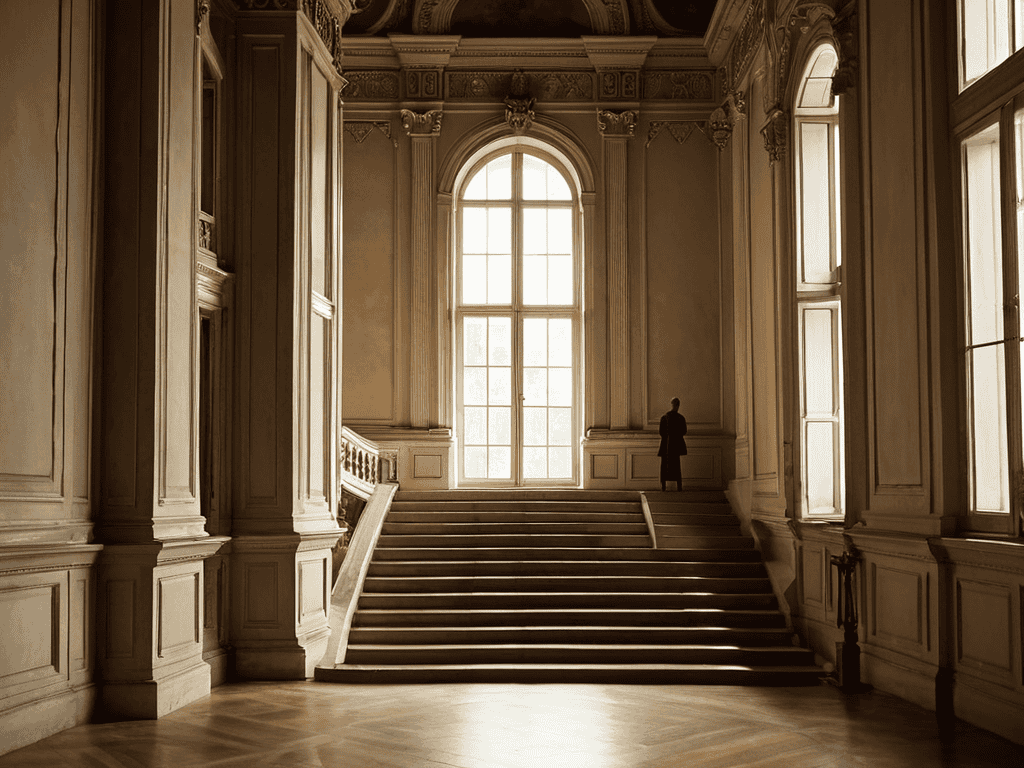
As we’ve explored the Memory Palace Method in depth, it’s clear that this technique offers a powerful tool for improving memory retention and recall. From the initial steps of creating a mental landscape to the advanced techniques of boosting neuroplasticity with mnemonic devices, each element works together to enhance our ability to remember and apply information in our daily lives. By mastering the Memory Palace Method, individuals can experience significant improvements in their ability to learn new skills, remember important details, and even enhance their creative problem-solving abilities.
The true power of the Memory Palace Method lies in its ability to unlock the full potential of our minds. As we continue to practice and refine this technique, we may discover that the benefits extend far beyond improved memory, influencing our confidence, productivity, and overall quality of life. So, let’s embark on this journey of self-discovery and unleash the incredible capabilities of our minds, one memory palace at a time.
Frequently Asked Questions
How can I apply the Memory Palace Method to everyday situations, like remembering appointments or tasks?
I use my Memory Palace for everything – from recalling shopping lists to remembering appointments. I create a mental scene for each task, like visualizing myself doing the grocery shopping or arriving at a meeting. It’s crazy how well it works!
What are some common mistakes to avoid when building and using a memory palace?
Honestly, I’ve made my fair share of mistakes with memory palaces – like using locations that are too similar or not emotional enough. Another common error is not revisiting and reinforcing your palaces regularly, which can cause details to fade away.
Can the Memory Palace Method be used to improve memory in people with neurological conditions, such as Alzheimer's or dementia?
While research is ongoing, studies suggest the Memory Palace Method can be a valuable tool for individuals with Alzheimer’s or dementia, helping to improve memory recall and cognitive function. It’s essential to work with a healthcare professional to adapt the technique to their specific needs and abilities.
