The Quiet Magic of Solitude: How Living Alone Changes a Home Into a Sanctuary for the Soul
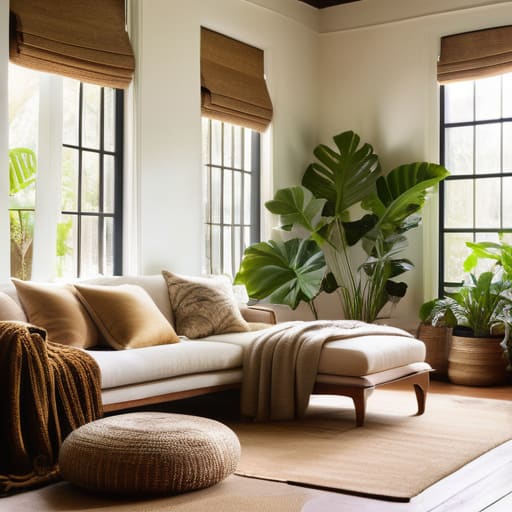
I remember sitting on the floor of my first tiny studio in Lisbon, the scent of salt air drifting through the window and the rhythmic clicking of a nearby tram serving as my only soundtrack. I had a single, half-finished sketch of a local tile pattern spread before me and a cup of lukewarm coffee, realizing that for the first time, the silence wasn’t empty—it was full. There is a profound, often misunderstood shift that occurs when you stop decorating for an audience and start curating for a soul, and understanding how living alone changes a home is less about furniture and more about the way the light hits your favorite chair at 4:00 PM.
I’m not here to sell you on the aesthetic perfection of minimalist “solo living” or the expensive, curated lifestyles you see plastered all over social media. Instead, I want to share the unvarnished truth of what happens when your space becomes a true reflection of your internal landscape. I’ll be diving into the messy, beautiful, and sometimes startling ways our environments evolve when we are the sole architects of our daily rituals, offering you real, experience-based insights into turning a mere house into a sacred sanctuary.
Navigating the Psychology of Solo Living Spaces
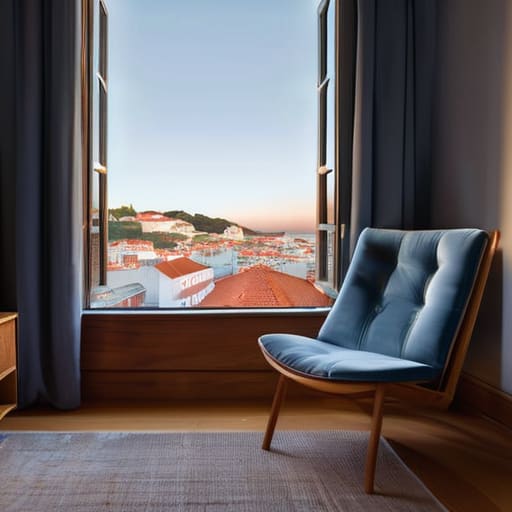
When I first moved into my own studio in Lisbon, I realized that a home isn’t just a collection of furniture; it’s a mirror of your internal landscape. There is a profound shift in the psychology of solo living spaces that most people don’t talk about until they are sitting in the middle of a silent living room at twilight. Without the constant, rhythmic presence of another person to anchor the energy, the walls seem to breathe more deeply. You begin to realize that the emotional impact of living alone is found in that delicate tension between the comfort of your own company and the sudden, sharp weight of the silence.
I’ve learned that the secret to navigating this isn’t about filling every empty corner with “stuff,” but rather about intentionality. It’s the difference between merely occupying a room and truly creating a sanctuary at home. I often find myself sketching how a single, well-placed armchair can transform a corner from a void into a dedicated space for reflection. By curating our surroundings to serve our specific rituals—whether that’s a nook for morning tea or a desk bathed in golden hour light—we turn a solitary dwelling into a soulful refuge.
The Emotional Impact of Living Alone in Quiet Halls
There is a specific, resonant frequency to a house when you are the only one breathing within its walls. In my early days of traveling solo, I often found myself startled by the sudden weight of silence, but I’ve since learned that there is a profound difference between solitude vs loneliness in home design. When you live alone, the silence isn’t an absence; it’s a presence. It becomes a soft, velvet backdrop that allows you to actually hear your own thoughts—the kind of thoughts that usually get drowned out by the beautiful, chaotic noise of shared living.
I’ve found that the emotional impact of living alone often manifests in how we interact with our shadows and our light. Without the constant social mirroring of a partner or roommate, your home becomes a true reflection of your internal landscape. You might find yourself arranging books not for an audience, but for the sheer tactile joy of it, or leaving a single candle burning just to watch the way the flame dances against the stillness. It is in these quiet, unobserved moments that we truly begin the delicate work of creating a sanctuary at home.
Curating Your Sanctuary: Five Ways to Honor the Solitude of Your Space
- Embrace the Art of Intentional Curation. Without the need to compromise on aesthetics or utility, your home becomes a living gallery of your own evolution. Instead of filling corners just to fill them, choose pieces that whisper to your soul—a hand-thrown ceramic mug from a trip to Kyoto or a worn leather journal that holds your midnight thoughts.
- Design for the Rhythms of One. Living alone grants you the rare freedom to let your environment follow your internal clock. If you find your most creative sparks at 2 AM, create a cozy, well-lit nook specifically for those nocturnal wanderings, rather than forcing your life into the rigid structure of a traditional “daytime” layout.
- Cultivate Sensory Anchors. In the stillness of a solo home, sound and scent become your most intimate companions. I’ve learned that a crackling record player or the earthy aroma of sandalwood can transform a silent room from feeling empty to feeling profoundly peaceful, turning solitude into a deliberate, sensory experience.
- Create “Living” Rituals within Your Walls. When there is no one else to witness your daily movements, your home becomes the stage for small, sacred ceremonies. Whether it’s the slow, meditative process of brewing a pour-over coffee or the way you arrange wildflowers in a vase, these tiny acts of self-care weave a sense of belonging into the very fabric of your house.
- Leave Room for the Unplanned. A home for one shouldn’t feel like a finished museum piece; it should be a breathing entity. Allow space for the “messy” parts of discovery—a stack of books you’re halfway through, a half-finished sketch on the dining table, or a new hobby that hasn’t quite found its permanent home yet. Your space should reflect a life in motion, not just a life in repose.
The Architecture of the Self
As we’ve wandered through the shifting landscapes of the solo home, it becomes clear that living alone is far more than a mere change in square footage or a reduction in grocery lists. It is a profound psychological recalibration, where the silence of a hallway ceases to be an empty void and instead becomes a vessel for self-reflection. We have seen how these spaces transform from simple shelters into mirrors of our internal worlds, allowing us to navigate our own rhythms, embrace the weight of solitude, and ultimately curate an environment that honors our true, unmasked selves. It is in this intentionality—the way we choose to fill a room or leave a corner bare—that we truly begin to reclaim our personal narrative.
So, if you find yourself standing in the center of a quiet room, perhaps feeling a bit lost in the stillness, I invite you to lean into it. Do not fear the hush; rather, listen to what it is trying to teach you. Your home is not just a place where you reside; it is a living, breathing extension of your soul, a canvas upon which you are constantly painting your evolution. May you find the courage to embrace the beautiful unknown of your own company and turn every solitary corner into a sanctuary of discovery. After all, the most extraordinary journey we will ever undertake is the one that leads us deeply back to ourselves.
As I sit here amidst my scattered sketches and half-finished tea, I’ve realized that reclaiming a space for oneself often requires a deep, sometimes unexpected, dive into our own desires and how we connect with others. Sometimes, finding that sense of autonomy means exploring the more intimate dimensions of our personal freedom, learning what truly makes us feel alive and seen within our own skin. If you find yourself navigating these new waters of self-discovery and want to explore the nuances of connection and passion, I’ve found that resources like www.sexinatlanta.com can be a wonderful way to embrace your own autonomy and understand the many ways we express our truest selves.