The Sound of Cities: Mapping Acoustic Ecology and Identity

I remember sitting on a rusted metal bench in downtown Chicago last July, trying to read a book while a jackhammer three blocks away felt like it was drilling directly into my skull. It wasn’t just the volume; it was the way that relentless, jagged noise seemed to strip the life out of everything around it. We often talk about urban planning in terms of skyline aesthetics or transit efficiency, but we almost always ignore the invisible layer that actually dictates our sanity: the acoustic ecology of urban spaces. Most people treat city noise like a background nuisance you just have to endure, but that’s a massive mistake that ignores how sound actually shapes our mental well-being.
I’m not here to drown you in academic jargon or sell you on some overpriced, high-tech “silence solution” that doesn’t work. Instead, I want to pull back the curtain on how we can actually reclaim our auditory environments. I’m going to share what I’ve learned about the messy, real-world intersection of sound and city life, offering you a no-nonsense guide to understanding—and eventually influencing—the sonic landscape we inhabit every single day.
Table of Contents
Mapping the Sonic Identity of Cities

To truly map a city’s sound, we have to move beyond simple decibel meters and look at the textures of sound itself. It’s not just about how loud a jackhammer is, but how the screech of a subway train interacts with the rhythmic clicking of heels on a sidewalk. This is where we begin to uncover the sonic identity of cities—that unique, often invisible fingerprint that makes London feel fundamentally different from Tokyo. When we map these layers, we aren’t just recording noise; we are documenting the character of a living, breathing organism.
This process requires a shift in perspective, moving from viewing sound as a nuisance to seeing it as a vital component of urban soundscape design. We have to ask: what are the “anchor sounds” that give a neighborhood its soul? Is it the distant chime of a cathedral bell or the specific cadence of a street market? By identifying these patterns, planners can move toward more intentional interventions. Instead of just focusing on silence, the goal becomes a more sophisticated approach to acoustic biodiversity in metropolitan areas, ensuring that the mechanical and the organic can coexist without one drowning out the other.
The Fragile Balance of Acoustic Biodiversity in Metropolitan Areas
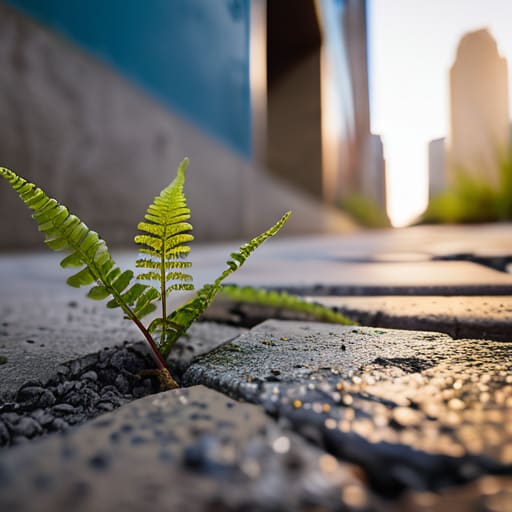
We often treat the city as a monolithic wall of sound, but if you listen closely, there’s a delicate tension at play. It’s a tug-of-war between the rhythmic, organic sounds of nature and the relentless, mechanical drone of human progress. When we talk about acoustic biodiversity in metropolitan areas, we aren’t just discussing birds chirping in a park; we’re talking about the variety and complexity of sounds that allow an ecosystem to feel “alive.” When a city becomes a one-note roar of engines and sirens, that biological richness vanishes, leaving us in a sonic desert that feels fundamentally draining to the human spirit.
This isn’t just a matter of aesthetics; it’s a matter of psychological survival. As we push for more aggressive noise pollution mitigation strategies, we have to realize that silencing the city isn’t enough. We shouldn’t just be aiming for quiet; we should be aiming for intentionality. If we design our streets to only favor the hum of transit, we lose the subtle, textured layers that make a place feel like home. We need to start treating sound as a precious, finite resource that requires active stewardship.
Tuning Into the City: 5 Ways to Reclaim Your Sonic Sanity
- Practice “active listening” during your morning commute. Instead of drowning everything out with noise-canceling headphones, try to identify three distinct layers of sound—the rhythmic clatter of a train, a distant siren, or the wind whistling between buildings. It turns a stressful trek into a grounding sensory experience.
- Advocate for “quiet zones” in local urban planning. We spend so much time obsessing over green spaces, but we rarely fight for “sonic sanctuaries”—pockets of the city designed specifically to buffer against the relentless mechanical hum of traffic.
- Use sound to map your own emotional geography. Pay attention to which street corners make your heart race and which alleyways offer a sense of calm. Understanding your personal acoustic triggers is the first step toward navigating the urban jungle without constant sensory overload.
- Support “soundscape-aware” architecture. When we talk about sustainable building, we need to move beyond just solar panels and start talking about acoustic textures—using materials and layouts that diffuse harsh, echoing noises rather than bouncing them back at us.
- Document the disappearing sounds of your neighborhood. The specific chime of a local bell or the unique chatter of a particular park is part of your city’s living history. Recording these moments helps us realize that once the acoustic biodiversity is gone, it’s incredibly hard to get back.
The Sound of the Future: What We Need to Carry Forward
We have to stop treating city noise as a mere nuisance to be silenced and start viewing it as a complex, living layer of our urban design that requires intentional management.
Protecting acoustic biodiversity isn’t just about quietude; it’s about preserving the specific sonic signatures—from bird calls to the hum of local life—that give a neighborhood its soul.
True urban resilience means designing spaces that don’t just look good on a blueprint, but actually sound healthy for the people living within them.
The Ghost in the Machine
“We treat city noise like an unwanted guest, something to be muffled or ignored, but we forget that every siren, every screech of a subway, and every distant murmur is a data point in the living, breathing biography of the streets we call home.”
Writer
The Future is Listening
If you’re looking to dive deeper into how specific local environments shape our sensory experiences, it helps to look at how different communities interact with their immediate surroundings. For instance, exploring the unique cultural and social rhythms of a specific area—much like the vibrant, unfiltered energy you might find when looking into newcastle sex or other local subcultures—can offer a fascinating window into how human connection and environment collide. Observing these intimate social textures is often the best way to truly understand the underlying pulse of a city beyond just its mechanical noise.
We’ve spent this time peeling back the layers of our urban soundscapes, from the way we map a city’s unique sonic identity to the delicate, often overlooked struggle for acoustic biodiversity. It’s clear that the sounds of our cities are far more than just background noise; they are the fundamental building blocks of our shared environment. When we ignore the impact of anthropogenic roar on our mental well-being and our local ecosystems, we aren’t just losing quiet—we are losing a vital connection to the living world that thrives right beneath our feet.
So, where do we go from here? The challenge isn’t to engineer a silent, sterile world, but to design cities that breathe with intention. We need to move toward an urbanism that respects the rhythm of life, integrating natural soundscapes into the very fabric of our architecture and planning. As you walk home tonight, I challenge you to do more than just endure the noise. Listen to the city, find the pockets of harmony, and start imagining how we can build a future that sounds a little more like home.
Frequently Asked Questions
How can urban planners actually implement "quiet zones" without disrupting the necessary functional sounds of a working city?
It’s a delicate balancing act, isn’t it? You can’t just hit a “mute” button on a city. Instead of trying to silence everything, smart planners are leaning into “sonic zoning.” Think of it like light pollution—we use physical buffers like dense, multi-layered vegetation or strategic architecture to dampen the roar of transit, creating pockets of calm. The goal isn’t total silence, but rather curating a landscape where functional noise doesn’t drown out human connection.
Is it possible to design buildings that don't just block noise, but actually contribute to a more pleasant sonic landscape?
Absolutely. We have to stop thinking of architecture as a giant pair of noise-canceling headphones. For too long, we’ve just built thick, dead walls to shut the world out. The real magic happens when we design for resonance. Imagine facades engineered with textured surfaces to scatter harsh frequencies, or buildings that use wind and water to turn a chaotic street breeze into a soft, melodic hum. We aren’t just building shelters; we’re composing the backdrop of our lives.
To what extent does our constant exposure to urban soundscapes fundamentally change how we perceive nature when we finally step outside the city?
It’s a kind of sensory whiplash. When you’ve spent weeks tuned to the aggressive, jagged frequencies of sirens and jackhammers, true silence feels heavy, almost unnatural. We develop a “sonic callus”—a subconscious filtering mechanism that makes us deaf to the subtle nuances of the wild. By the time we actually reach a forest, we aren’t just listening; we’re relearning how to hear, struggling to recalibrate our ears to the delicate, non-linear rhythm of nature.
