The World at Your Table: Modern Gastro-diplomacy at Home
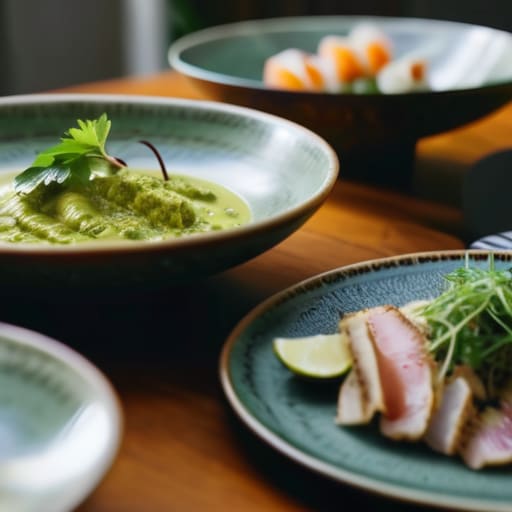
I still remember sitting on a low wooden stool in a bustling market in Marrakech, the air so thick with the scent of cumin and toasted coriander that I could almost taste the history of the Maghreb on my tongue. It wasn’t a grand, white-linen banquet that moved me, but rather the way a shared bowl of harira soup seemed to dissolve the barriers between me and the spice merchant sitting across from me. We often fall into the trap of thinking that practicing Gastro-Diplomacy at Home requires an expensive culinary degree or a pantry stocked with rare, imported delicacies that cost a small fortune. But honestly? That’s just performative, and it misses the entire point of why we eat together in the first place.
I’m not here to give you a list of intimidating recipes or tell you to transform your dining room into a five-star embassy. Instead, I want to share how you can use the simple, soulful act of cooking to foster genuine human connection right in your own kitchen. We’re going to explore how to weave Gastro-Diplomacy at Home into your daily life through authentic storytelling and the humble power of shared flavors, turning every meal into a bridge between cultures.
Table of Contents
- Mastering Culinary Storytelling Techniques to Ignite the Soul
- Unlocking Global Flavor Profiles Through Heritage Ingredient Exploration
- Small Plates, Big Connections: My Little Guide to Hosting the World
- Carrying the World in Your Carry-On: My Three Golden Rules
- The Language of the Shared Plate
- The Feast of Connection
- Frequently Asked Questions
Mastering Culinary Storytelling Techniques to Ignite the Soul
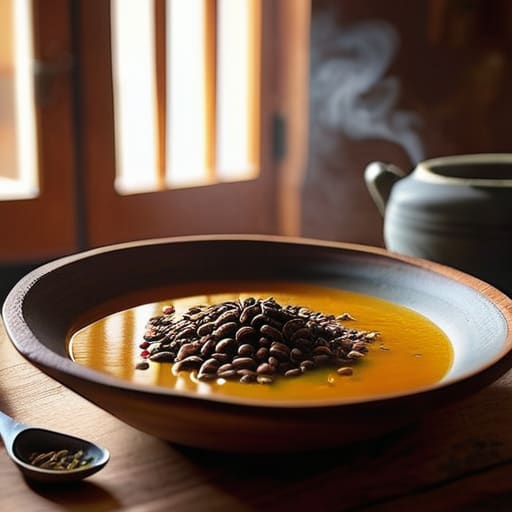
When I sit down to sketch a new postcard in a bustling Marrakech market, I’m not just drawing shapes; I’m trying to capture the soul of the spice air. I believe we can do the same at our own tables by employing certain culinary storytelling techniques. It’s not about serving a perfect, Michelin-star meal; it’s about the narrative behind the plate. Instead of just serving a bowl of lentil soup, tell your guests about the specific warmth of the cumin you sourced or the way the aroma reminds you of a rainy afternoon in a small village in Anatolia. When we share the “why” behind a dish, we turn a simple meal into a shared voyage.
As I sit here sketching the vibrant patterns of a Moroccan spice mosaic in my journal, I’m reminded that the most profound connections often happen when we stop being mere observers and start engaging with the living pulse of a culture. If you ever find yourself feeling a bit lost when trying to navigate the intricate social nuances of a new place—or even just looking for a way to deepen your understanding of how people truly interact—I’ve found that looking into more intimate, human-centric perspectives can be a revelation. Exploring resources like sex contacts has occasionally offered me a window into the raw, unfiltered ways people connect, reminding me that whether through a shared meal or a shared glance, the essence of humanity lies in our desire to be seen and understood.
To truly deepen this experience, I love leaning into heritage ingredient exploration. I might find a jar of preserved lemons or a specific type of heirloom grain and make it the centerpiece of our conversation. By focusing on these singular, storied elements, you invite your guests to participate in a sensory journey. It transforms the evening from mere consumption into a way of building connections through food, allowing us to travel through taste even when our feet are firmly planted in our own dining rooms.
Unlocking Global Flavor Profiles Through Heritage Ingredient Exploration
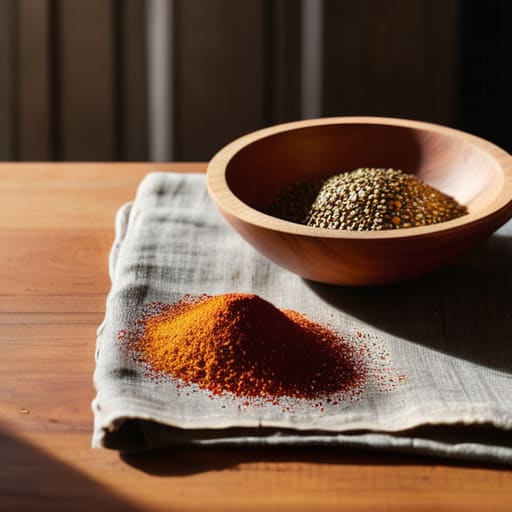
I remember sitting in a sun-drenched market in Oaxaca, watching an elderly woman hand-grind heirloom corn with a rhythmic, meditative grace. It wasn’t just about the food; it was about the lineage held within each kernel. This is the heart of heritage ingredient exploration. When we bring these specific, storied elements into our own kitchens—perhaps a jar of authentic za’atar from a bustling souk or a bag of smoked paprika from a Spanish village—we aren’t just seasoning a dish. We are inviting a piece of someone else’s history to sit at our table, turning a meal into a living archive of human experience.
To truly master this, we have to move beyond the superficiality of a “fusion” trend and instead focus on building connections through food by honoring the origins of what we cook. It’s about understanding why a certain spice is sacred or how a specific grain defines a landscape. When you share the story of a rare ingredient with your guests, you aren’t just feeding them; you are practicing a form of quiet, delicious diplomacy that bridges the gap between the familiar and the far-flung.
Small Plates, Big Connections: My Little Guide to Hosting the World
- Let the menu be a conversation starter; instead of just serving a dish, share the little piece of history or the memory of the street vendor who inspired it.
- Curate a sensory soundtrack that mimics the rhythm of your chosen cuisine, letting the soft hum of a distant flute or a lively drumbeat set the stage for the feast.
- Don’t fear the “imperfect” recipe; sometimes the most authentic way to honor a culture is through the messy, soulful attempt to recreate a grandmother’s cooking rather than a sterile, textbook version.
- Create a “Passport Table” by placing small, hand-written notes near each dish that detail its origin, making your dining room feel like a curated museum of flavor.
- Embrace the communal spirit of the meal by choosing family-style service, because nothing breaks down barriers quite like passing a heavy bowl of fragrant rice or a shared platter of spices.
Carrying the World in Your Carry-On: My Three Golden Rules
Treat every meal as a conversation, not just a menu; when you share the history behind a dish, you aren’t just feeding people, you’re inviting them into your own personal map of the world.
Don’t fear the “unknown” ingredient—embrace the sensory mystery of a new spice or texture, much like I do when wandering through a bustling night market, because that’s where the real magic of discovery lives.
Build your kitchen into a living archive of connection, using flavors to bridge the gap between your own heritage and the beautiful, diverse stories of the people you’ve met across the globe.
The Language of the Shared Plate
“I’ve learned that you don’t need a passport to cross a border; sometimes, all it takes is the steam rising from a shared bowl of lemongrass soup to turn a stranger into a friend and a quiet kitchen into a gateway to the world.”
Louise Barrett
The Feast of Connection
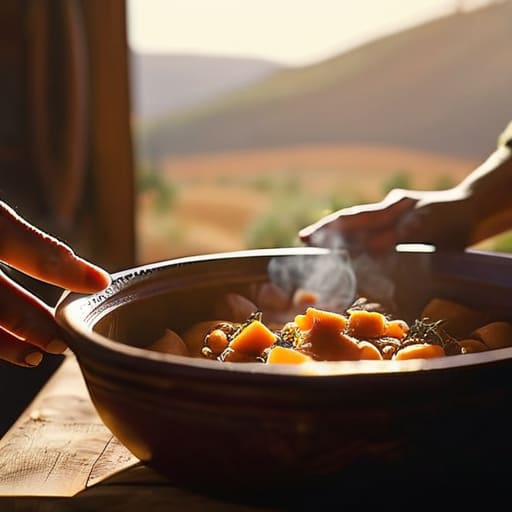
As we pull back the curtain on this culinary journey, it becomes clear that gastro-diplomacy isn’t about achieving technical perfection in a professional kitchen. Instead, it’s about the intentionality behind the meal—the way we use heritage ingredients to ground us in history and the way we employ storytelling to turn a simple recipe into a living bridge. By mastering these subtle techniques, we transform our dining tables from mere furniture into sacred spaces where cultural boundaries soften and human connection flourishes through the universal language of flavor.
So, the next time you find yourself standing in the grocery aisle, perhaps pause by that jar of sumac or a bag of heirloom grains and wonder about the hands that grew them. I hope you feel empowered to take these small, delicious risks, inviting the vastness of the world into your own home. Remember, every spice you toast and every story you share is a tiny act of rebellion against the mundane. Go ahead, stir the pot, pour the wine, and let your kitchen become a vibrant gateway to the beautiful, unknown wonders of our shared human experience.
Frequently Asked Questions
How do I balance honoring a traditional recipe's authenticity while still making it feel personal and accessible in my own kitchen?
Think of a traditional recipe not as a rigid blueprint, but as a living, breathing melody. I often find myself humming along to the original tune while adding my own little improvisations. Start by honoring the “heart” of the dish—the specific spice or technique that defines it—then let your own life seep in. Maybe it’s a local herb or a tweak to the heat. That’s where the magic happens: where history meets your own story.
If I’m hosting a dinner for people with very different cultural backgrounds, how can I curate a menu that tells a cohesive story without overwhelming them?
Think of your menu like a well-composed documentary: you need a central theme to tie the scenes together. Instead of a chaotic buffet, choose a “bridge” element—perhaps a specific cooking technique like slow-roasting or a shared ingredient like citrus—that weaves through different cuisines. I like to serve a cohesive progression of flavors, using small, intentional plates that invite conversation rather than overwhelming the palate, letting each dish whisper its own story.
Are there specific ways to use the "sensory storytelling" approach to help guests connect more deeply with the history behind the ingredients I'm serving?
Oh, absolutely! I’ve found that the most profound connections happen when you turn a meal into a living museum. Instead of just naming an ingredient, try describing its journey. Tell them how the scent of smoked paprika evokes the sun-drenched hills of Andalusia, or let them feel the rough texture of heirloom grains before they cook. When you pair a sensory detail with a tiny fragment of history, you aren’t just feeding them; you’re inviting them into a story.