Top 10 Urban Farming Trends to Watch in 2024
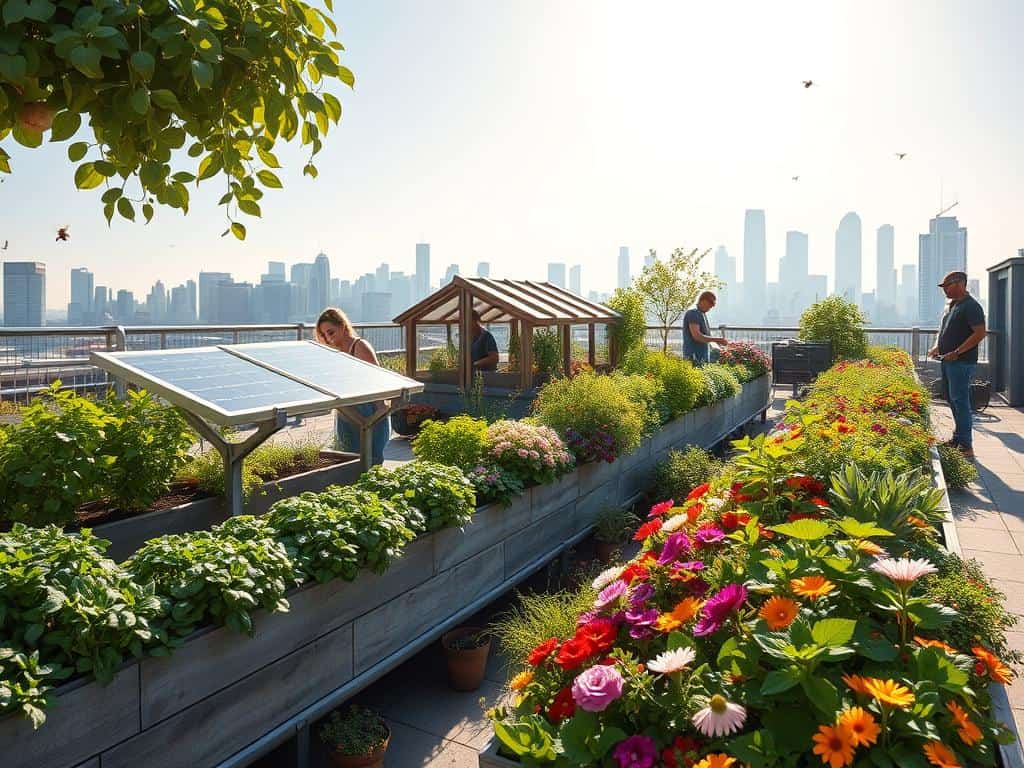
As I walk through my city, I see green rooftops and community gardens everywhere. Just a few years ago, our neighborhood was all concrete and no green. But, inspired by the need for sustainability, we turned a vacant lot into a garden.
We planted veggies and herbs, creating a local food haven. This project showed us how important it is to connect with our food. It made me curious about the latest trends in urban farming.
2024 is going to be a big year for urban farming. New technologies and sustainable practices will change how we farm in cities. These changes will make our food systems better and help our communities thrive. Let’s explore the top ten trends that will change urban agriculture for the better.
Key Takeaways
- The integration of technology in urban farming is key to enhance sustainability.
- Community-driven urban gardens can significantly reduce food waste and improve local food systems.
- Regenerative practices are gaining momentum to promote healthier ecosystems.
- Consumer demand is shifting towards sustainably produced and organic food.
- Shorter supply chains are essential for resilient food systems post-pandemic.
Emerging Technologies Shaping Urban Agriculture
Urban agriculture is changing fast, thanks to new technologies. These tools help us grow food in cities more efficiently and sustainably. They make farming smarter and greener.
Digital Agriculture and Data-Driven Decisions
Digital agriculture uses advanced analytics and IoT devices to improve farming. It collects data in real-time, helping farmers make better choices. This leads to more food and less waste.
It also saves money and helps the environment. Urban farmers can grow more and keep their crops healthy. This is thanks to the power of technology.
Robotics and Automation in Urban Farms
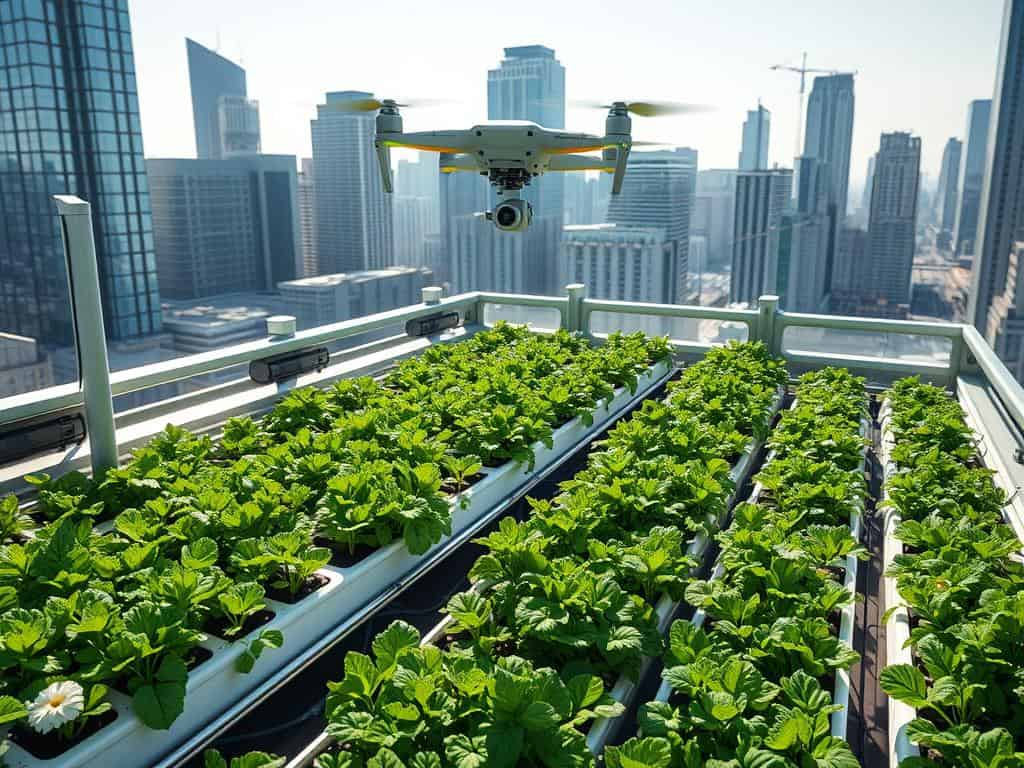
Robotics is changing urban farming. Automated systems and drones do tasks like planting and harvesting. This makes farming more precise and cuts costs.
Robots let farmers do more important work. This makes farms more efficient and effective. It’s a big step forward for urban agriculture.
Vertical Farming Innovations
Vertical farming is a new way to grow food in cities. It uses hydroponics and aeroponics to grow a lot of food with little land. This method uses up to 90% less water than traditional farming.
It’s perfect for cities because it’s water-efficient. New tech like LED lighting and controlled environments helps grow healthy food. It also means no harmful pesticides are needed.
Urban Farming Trends Redefining Sustainability
Sustainability is now a key focus in urban farming. New practices offer environmental benefits and boost community strength. Regenerative agriculture, local food systems, and cutting down on food waste are key trends. They show how cities can become more ecological.
Regenerative Agriculture Practices
Regenerative agriculture is vital in urban farming. Methods like crop rotation and no-till farming improve crop quality and capture carbon. These practices help soil health and reduce chemical use.
Innovations like GelPonics help too. They keep moisture in the soil and cut down on fertilizer needs.
Emphasis on Local Food Systems
Local food systems are growing, strengthening community bonds and food sovereignty. Cities like New York and London have more community gardens and rooftop farms. These spaces let people grow their own food.
This movement boosts access to fresh food. It also builds community and promotes green living.
Reduction of Food Waste
Reducing food waste is a big goal in urban farming. Urban farms use smart methods to save resources. Hydroponics and aquaponics make the most of space and resources.
Many farmers also compost and reuse food scraps. This creates a sustainable cycle.
Conclusion
The world of urban farming is changing fast. New tech and a focus on being green are leading the way. In 2024, we’ll see more digital farming, robots, and local food systems. These changes will help solve today’s big problems and bring new ways to grow food.
Urban farming, like vertical farming, can grow more food in less space. Aquaponics and container gardens use space wisely and save resources. They help grow fresh food and cut down on waste. Plus, they boost local economies and support green living.
Urban farming is more than just growing food. It’s about making communities healthier and stronger. It connects us through education, teamwork, and caring for our planet. By focusing on these trends, we can build a better future. One that’s good for our economy, our health, and the environment.
