10 Wilderness Exploration Tips for the Ultimate Adventure
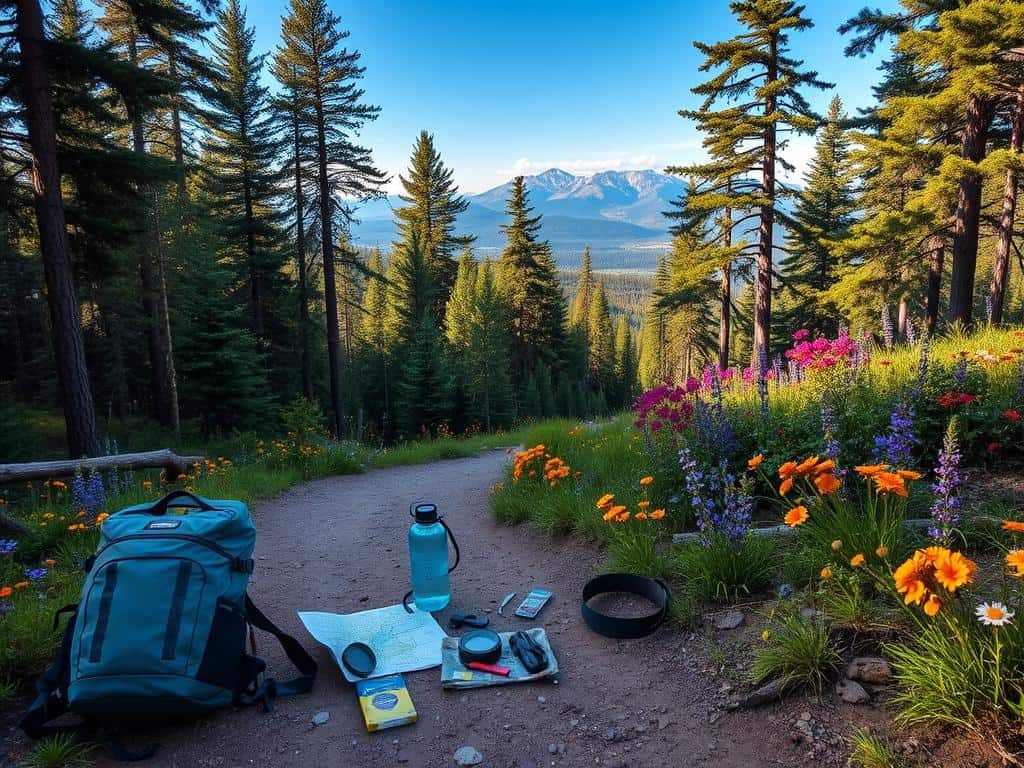
Standing at Convict Lake, I watched the water flow from a natural spring at 11,000 feet. It made me think about my adventures in the wilderness. On a hike here, I felt the magic of nature and learned the value of being prepared.
I felt free as I walked the trails, knowing nature’s beauty comes with a need for respect and planning. This experience taught me a lot about wilderness survival.
Stories of Geraldine Largay lost for two years and the 4,700-foot climb on Mount Rainier’s Camp Muir hike showed me the importance of preparation. A wrong step can turn a great adventure into a dangerous situation. I always plan carefully and trust my instincts.
By understanding the terrain and weather, and wearing the right clothes, I’ve had successful adventures. This has made me love nature even more.
I want to share these tips to help others feel confident in exploring the wilderness. Whether it’s a long hike or a short walk, being prepared is key. Let’s explore the outdoors together and do it safely.
Key Takeaways
- Preparation is key for a successful wilderness adventure.
- Know the environment, including weather and trail conditions.
- Wear layers to adjust to changing weather.
- Good hiking gear, like boots, is vital for safety.
- Tell someone about your plans to stay safe.
- Choose trails that match your fitness level.
Preparation for Wilderness Exploration
Getting ready for wilderness adventures is key. Knowing the environment helps make smart choices. I research trails and ecosystems, looking out for dangers like wildlife and weather.
Online resources, hiking forums, and maps give me the info I need. This prep is vital for a safe and fun trip.
Research Your Environment
Understanding the area is my first step. I use trusted sources for trail info, weather, and wildlife alerts. Knowing the local plants and animals makes my journey safer and more enjoyable.
Create a Detailed Itinerary
Planning my route is essential. I map out my path, expected time, and key spots. Sharing this plan with others adds an extra layer of safety.
This careful planning is important, even for short trips. It helps me stay on track and enjoy the journey.
Pack Essential Gear
Packing the right gear is critical. I make a list to ensure I have everything. Navigation tools, water, and snacks are must-haves.
I also bring a multi-tool, fire starters, a first-aid kit, and clothes for different weather. Being prepared is the best way to handle any situation.
Master Navigation Techniques
Mastering navigation techniques is key to staying safe and confident outdoors. Knowing how to use maps and compasses is essential. It helps me understand my surroundings and find the right path, no matter the weather.
Utilize Maps and Compasses
Topographic maps show elevation changes and natural features. They use contour lines to show landforms. I always carry a topographic map, as technology can fail.
Compasses are vital for navigation. Knowing how to use the sighting mirror and declination correction is important. I practice reading my compass, even in cloudy weather. This helps me stay on course.

Learn Orienteering Skills
Learning orienteering skills has made me a better navigator. I practice taking bearings and identifying landmarks. This makes me rely on natural cues more than technology.
Breaking journeys into smaller parts with waypoints helps me stay on track. Understanding the terrain, like in Chesterfield, New Hampshire, is valuable. I also carry essential gear, like GPS devices and survival kits, for any unexpected situations.
Conclusion
Reflecting on my wilderness adventures, I see that they are both thrilling and require careful planning. The tips I’ve shared are key to safely exploring these wild places. By researching, planning, and packing right, I can enjoy the stunning views while staying safe.
It’s important to remember that our actions impact the wilderness. Learning from indigenous tribes and respecting nature is vital. With only a few large wilderness areas left in the U.S., we must act to preserve them.
My aim is to enjoy nature while also protecting it. With the right mindset and preparation, anyone can have a great wilderness adventure. Whether it’s exploring Blythe or finding hidden spots, each trip shows us the beauty and fragility of our world.
