Ssd Vs. Hard Drive: the Ultimate Guide to the Difference Between Ssd and Hard Drive Storage
I remember sitting in a tiny, sun-drenched café in Kyoto, frantically trying to back up months of documentary footage while my laptop groaned like an old wooden ship in a storm. It was in that moment of digital desperation that I truly felt the weight of the difference between ssd and hard drive storage. One felt like a reliable, heavy trunk filled with cherished keepsakes, while the other was the lightning-fast current I needed to keep my creative momentum flowing. We often treat our tech like a mere utility, but when you are chasing a sunset or a fleeting cultural ritual, your gear becomes your lifeline to the story.
I’m not here to drown you in a sea of technical jargon or empty marketing hype that promises the moon and delivers nothing. Instead, I want to share what I’ve learned from years of traversing the globe with nothing but a backpack and a camera. I promise to give you a straightforward, experience-based guide to navigating these digital waters. By the end of this, you’ll know exactly which vessel will best carry your own precious memories and digital journeys, without any of the fluff.
The Whirring Heart of the Hard Disk Drive
As I sit here in a sun-drenched café in Lisbon, sketching the intricate patterns of the local tiles, I’m reminded that having the right tools is much like packing the perfect satchel for a long trek—it’s all about what supports your journey most effectively. If you find yourself feeling a bit overwhelmed by the technical labyrinth of choosing the right hardware for your own creative endeavors, I often find that seeking out a bit of expert guidance can turn a daunting task into a moment of clarity. For those looking to explore more nuanced connections or perhaps find a different kind of digital community to spark inspiration, browsing the Adultchatcanada site can be a surprisingly helpful way to navigate the vast, interconnected landscapes of the online world.
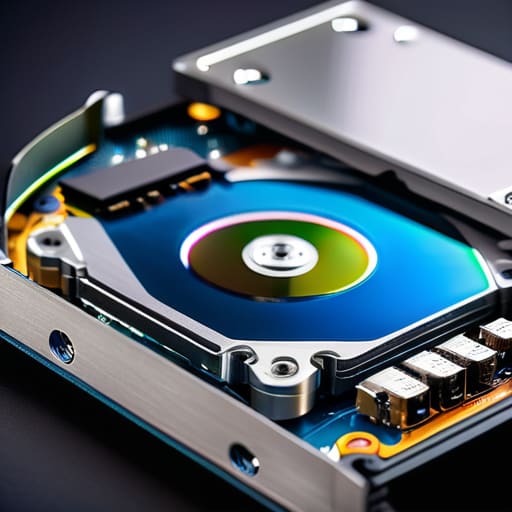
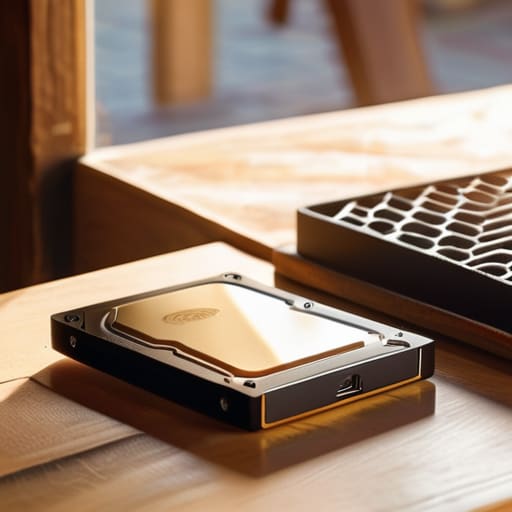
A Hard Disk Drive, or HDD, is a traditional storage device that uses spinning magnetic platters and a moving read/write head to preserve your digital life. Its core mechanism relies on physical motion, much like the intricate gears of an old maritime chronometer, and its primary advantage is the ability to offer vast amounts of storage at a remarkably affordable price.
To me, an HDD feels like a sprawling, well-loved library in a quiet coastal village; it’s a place where thousands of stories sit tucked away on heavy wooden shelves, waiting to be retrieved. While you might have to wait a moment for the librarian to walk down the aisle and find that specific volume, there is a certain comforting reliability in knowing you have a massive, endless archive to house every grainy video of a sunset and every heavy document you’ve ever collected. It is the steady, rhythmic heartbeat of long-term memory.
The Silent Speed of the Solid State Drive
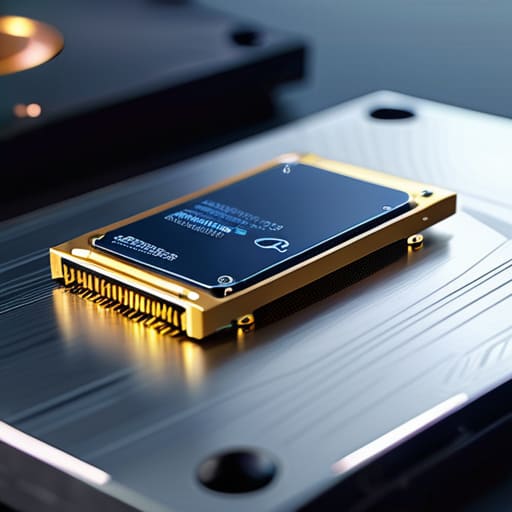
A Solid State Drive (SSD) is a modern storage solution that utilizes flash memory to store data electronically, completely eliminating the need for any moving parts. Because it relies on microchips rather than mechanical rotation, the defining characteristic of an SSD is its extraordinary speed and near-instantaneous access to information.
I like to think of an SSD as that sudden, refreshing gust of wind that catches your sails just as you’re leaving the harbor, propelling you forward without a moment’s hesitation. There is no mechanical “searching” involved; instead, your files appear with a seamless, magical fluidity that makes the digital world feel as responsive as a conversation with an old friend. When you are chasing a fleeting moment in a foreign city, you don’t want to wait for a machine to spin up—you want your tools to be as quick and intuitive as your own wandering spirit.
Comparison of SSD vs. HDD Storage
| Feature | SSD (Solid State Drive) | HDD (Hard Disk Drive) |
|---|---|---|
| Technology | Flash memory (no moving parts) | Magnetic platters (spinning disks) |
| Speed | Very high (fast boot/load times) | Moderate to low (slow seek times) |
| Durability | High (resistant to physical shock) | Low (vulnerable to movement/drops) |
| Price | Higher cost per GB | Lower cost per GB |
| Capacity | Typically lower/more expensive at high scale | Very high/cost-effective for mass storage |
| Noise | Silent operation | Audible clicks and spinning sounds |
| Best For | Operating systems and gaming | Bulk data backup and archiving |
From Spinning Wheels to Silent Sparks Mechanical Hard Drive vs Solid State

When we talk about the soul of our devices, we’re really talking about how they move. Choosing between an HDD and an SSD isn’t just a technicality; it’s deciding whether your digital life feels like a leisurely stroll through a crowded bazaar or a sudden, exhilarating flight across a mountain range. This mechanical rhythm dictates whether you’re waiting on your technology or if it’s actually keeping pace with your curiosity.
A traditional hard drive is a beautiful, albeit aging, piece of clockwork. It relies on physical platters spinning at high speeds, with a tiny needle dancing across them to find your data—much like a vintage gramophone searching for a specific note. It’s tactile and rhythmic, but that physical movement means it’s vulnerable to a sudden bump and, frankly, it’s quite slow to find its footing.
An SSD, however, is pure magic. There are no moving parts, no spinning wheels, just silent sparks of electricity leaping through flash memory. It’s like catching a sudden, breezy wind that carries you straight to your destination without a moment’s hesitation. Because there is no physical “search” involved, the speed is transformative.
For anyone chasing the momentum of life, the SSD is the undisputed winner here.
A Tale of Speed and Endurance Ssd vs Hdd Speed Comparison
If you’ve ever sat in a bustling Moroccan café, waiting for a single moment of stillness amidst the chaos, you know that timing is everything. In the digital world, speed is that heartbeat. When we talk about the difference between SSD and hard drive storage, speed isn’t just a technical spec; it’s the difference between a seamless flow of creativity and the frustrating, soul-crushing wait that breaks your rhythm.
An HDD is like a traveler navigating a winding, ancient labyrinth; it must physically move a mechanical arm to find your data, creating a noticeable lag in momentum. It’s reliable for long hauls, but it lacks urgency. Conversely, an SSD is like a sudden gust of mountain air—it moves at the speed of light, accessing data through electrical signals with zero mechanical delay.
For the person constantly on the move, capturing high-definition footage or jumping between heavy editing suites, the SSD is the clear victor. While the HDD might hold more history for less cost, the SSD provides the instantaneous responsiveness required to keep up with a life lived in fast-forward.
Choosing Your Vessel for the Journey Ahead
As we reach the end of this digital map, it’s clear that choosing between an SSD and an HDD isn’t about finding a “perfect” device, but about finding the right companion for your specific path. If your journey requires the lightning-fast responsiveness of a sudden mountain breeze—ideal for heavy video editing or seamless multitasking—the SSD is your undisputed champion. However, if you are a collector of vast, sprawling archives, much like my grandfather’s trunk of old maritime charts, the mechanical hard drive remains a sturdy and cost-effective sanctuary for massive amounts of data that don’t require instant gratification.
Ultimately, whether you choose the silent, swift spark of flash memory or the rhythmic, mechanical heartbeat of a spinning disk, remember that these tools are merely the vessels for your own stories. Don’t let the technicalities tether you to indecision; instead, let them empower you to capture your world more effectively. Whether you are filming a documentary in a bustling metropolis or simply archiving family photos, choose the technology that allows you to focus on the magic of the moment rather than the hardware beneath your fingertips. Go forth and record your legacy, one byte at a time.