Unlocking the Magic of Color: a Beginner Guide to Watercolor Painting to Help You Map Your Own Inner Landscapes
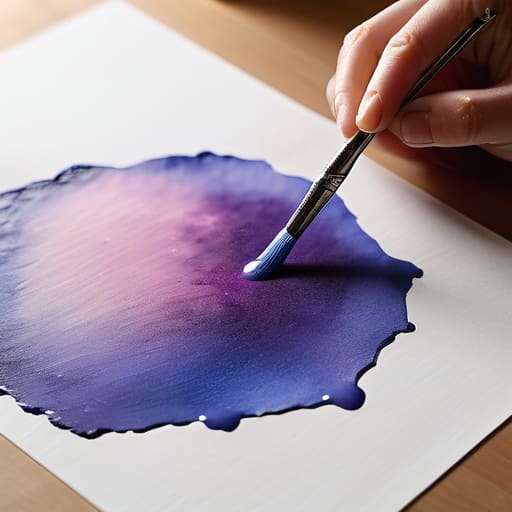
I remember sitting on a sun-bleached stone wall in Santorini, the scent of wild thyme heavy in the air, trying to capture the Aegean blue on a scrap of paper. I had all the “professional” gear a person could dream of, yet my sketches looked more like muddy puddles than a Mediterranean dream. It’s a frustrating rite of passage, isn’t it? Most people think you need a studio full of expensive, heavy-bodied pigments to see results, but that’s a lie that keeps so many talented souls from even picking up a brush. If you’re looking for a beginner guide to watercolor painting that promises instant perfection with a $200 palette, you’re in the wrong place; I’m here for the messy, beautiful reality of learning this medium.
As you begin to experiment with these tools, you might find that the most daunting part isn’t the technique itself, but the sudden urge to share your progress and find a sense of belonging among fellow creators. I’ve often found that the creative process flourishes most when we connect with others, and if you’re ever looking for a cozy corner of the internet to swap stories or seek a little encouragement, I highly recommend checking out this Canada chat community. It’s a wonderful way to turn what can sometimes feel like a solitary hobby into a shared adventure, much like finding a kindred spirit in a bustling foreign market.
I’m not going to feed you polished tutorials that ignore the way water actually behaves when it decides to run wild. Instead, I want to share the honest, unvarnished lessons I’ve gathered from sketching my way across continents—the kind of wisdom that comes from making mistakes in crowded train stations and quiet cafes. We are going to strip away the intimidation and focus on how to dance with the pigment, turning simple washes into stories.
Gathering Your Treasures Essential Watercolor Supplies for Beginners
Before we dive into the colors, we need to gather our little kit of wonders. Think of these not as mere tools, but as the companions that will help you translate the world onto paper. When I’m setting up my makeshift studio in a sun-drenched cafe in Lisbon or a quiet corner of a mountain hut, I always start with the fundamentals. To begin, you’ll want to curate your essential watercolor supplies for beginners with intention. Don’t feel pressured to buy every shade in the rainbow; instead, focus on a small, high-quality set of pans and a few versatile brushes—a round brush is your best friend for both broad washes and delicate details.
The true soul of your work, however, lies in your surface. I cannot stress enough how much watercolor paper types and weights influence your final piece. I always reach for 300gsm cold-pressed paper; it has that lovely, toothy texture that holds onto the water without buckling under the pressure of your creativity. Once you have your paper and pigments, the real dance begins: learning how to control water to pigment ratio so your colors sing rather than muddy. It’s a delicate, beautiful balance, much like finding the perfect rhythm in a new melody.
Choosing Your Canvas Exploring Watercolor Paper Types and Weights
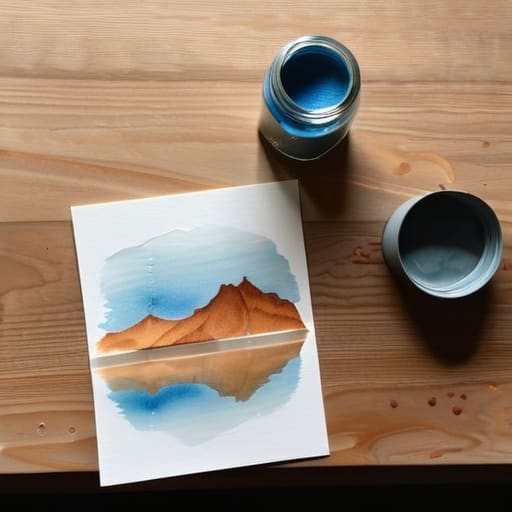
If you’ve ever sat by a window in a seaside café in Portugal, watching the tide pull back to reveal shimmering, textured sand, you know that the surface beneath your eyes changes everything. In watercolor, your paper is more than just a background; it is the very soul of your piece. When navigating the various watercolor paper types and weights, I always tell my students to think about the “personality” of the surface. A heavy, 300gsm (140lb) cold-pressed paper is my old friend—it has a lovely, toothy texture that catches the pigment beautifully, making it perfect for practicing wet on wet vs wet on dry technique without the paper buckling under your brush.
For those moments when you want to capture the delicate, ethereal glow of a sunrise, you might find yourself reaching for hot-pressed paper. It’s much smoother, almost like a sheet of silk, allowing for incredible precision, though it can be a bit temperamental. Learning how to control water to pigment ratio becomes a bit more of a dance on these smoother surfaces. Don’t be afraid to experiment; finding your favorite texture is just another part of the beautiful, messy process of discovery.
Dancing with Water: Five Little Secrets to Finding Your Flow
- Embrace the beautiful chaos of “wet-on-wet” techniques; don’t be afraid to let a bead of water wander across your paper, as those unpredictable blooms and bleeds are where the true magic of watercolor lives.
- Think of your water like a volume knob for your colors—more water creates those ethereal, ghostly washes perfect for a misty morning, while less water allows you to dial up the intensity and drama of a sunset.
- Resist the urge to overwork your pieces; once you’ve laid down a stroke, let it breathe and dry, because fighting with the pigment often leads to a muddy texture that loses the light’s natural dance.
- Practice the art of “negative painting” by painting the spaces around your subject rather than the subject itself, a trick I often use when trying to capture the delicate silhouettes of leaves against a bright sky.
- Keep a small “mistake journal” nearby, and instead of seeing a bleed or a smudge as a failure, treat it as a spontaneous poem written by the water itself—sometimes the most beautiful textures are the ones we never intended to make.
Letting the Colors Flow
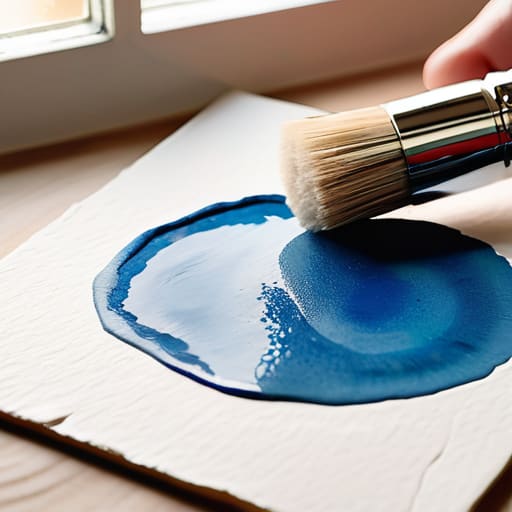
As we bring this little expedition into the world of pigments to a close, remember that you don’t need a professional studio to begin your journey. We’ve navigated through the essential tools, from selecting brushes that feel like an extension of your own hand, to finding that perfect, thirsty paper that can hold the weight of your imagination. It’s easy to get caught up in the technicalities of supplies, but the true heart of watercolor lies in how you interact with the medium. Whether you are layering deep blues or testing a delicate wash, the goal isn’t perfection; it’s about understanding how your tools and your paper dance together to create something entirely new.
If there is one thing my travels have taught me, it’s that the most beautiful moments often happen when we lose our way or embrace a bit of chaos. Watercolor is much like a sudden rainstorm in a foreign city—unpredictable, sometimes messy, but utterly breathtaking if you let it be. Don’t be afraid to let a drop fall where it may or to let the colors bleed into one another in ways you didn’t plan. Embrace the beautiful accidents, because that is where the soul of your art truly lives. So, grab your palette, find a quiet corner, and start making your own magic today.